Planning a wedding is already a lot. Add in complicated family dynamics, and it can feel like you’re managing two events at once: the actual celebration and the emotional minefield that comes with it. As a Boston-based LGBTQ+ wedding photographer, I’ve watched so many LGBTQ+ couples navigate this exact tension, and I want you to know, it’s more common than you think, and it doesn’t have to overshadow your day.
If you’re already deep in the logistics, you know that queer couples often run into hurdles that straight couples simply don’t face. Family stuff is one of the biggest. Whether you’re dealing with a parent who’s “not quite there yet,” relatives who keep misgendering your partner, or the weight of deciding who even makes the guest list, you’re not alone. This post is for you.
Start With an Honest Conversation Between the Two of You
Before you talk to anyone else, talk to each other. Get clear on what you both actually want your wedding to look like, separate from what you feel obligated to do or who you feel pressure to please.
Ask each other the real questions:
- Are there family members you genuinely don’t want there?
- Are there people you’d invite out of guilt but not love?
- Where are you willing to compromise, and where are the non-negotiables?
Getting aligned early means you can go into every other conversation as a united front. And that matters more than almost anything else.
Decide How Much Family Input You’re Willing to Accept
There’s no right answer here. Some couples want their families heavily involved. Others need distance to keep the planning process peaceful. Both are valid.
The key is deciding your boundary before someone crosses it, not after.
If you know your mom has opinions about everything, decide in advance what she gets a say in and what she doesn’t. If your partner’s dad is unpredictable, talk about how you’ll handle it if he says something hurtful at the rehearsal dinner.
Having a plan feels so much better than reacting in the moment.
How to Handle Family Members Who Aren’t Fully Supportive
This is the hard one. And it shows up in so many different forms: the parent who said they’d come but keeps making passive comments, the sibling who RSVPed yes but you know might cause drama, the grandparent who loves you but “just doesn’t understand.”
Here are a few things that actually help:
Have the Conversation Early, Not the Week Before
If you’re worried about someone, address it before the wedding planning gets too far along. You don’t need to have a massive confrontation. A simple, direct conversation about your expectations goes a long way. Something like: “We want our wedding to be a joyful day for everyone. We need to know you can support us the way we deserve.”
Give People a Job
This sounds simple, but it works. Family members who feel included tend to behave better. Giving a complicated relative a small role, like handing out programs or greeting guests, channels their energy somewhere useful and makes them feel valued.
Have a Point Person
Designate someone you trust, a close friend or a sibling who gets it, to run interference if things start going sideways. This is not your job on your wedding day. You should be present and in the moment, not managing adults.
Know When to Limit Access
If someone is genuinely unsafe or unpredictable, it’s okay to not invite them. Or to invite them with conditions. Or to seat them across the room from your most visible moments.
Your wedding is not the place to fix broken relationships. It’s the place to celebrate the one you’ve built.
Rewriting the Traditions That Don’t Fit
A lot of family tension around LGBTQ+ weddings comes from tradition. Who walks down the aisle. Who sits where. Who gives the toast. When you start rethinking whether outdated wedding traditions fit in your LGBTQ+ wedding, you take a lot of the loaded expectation out of them.
You don’t owe anyone a traditional wedding. You owe yourselves an honest one.
Chosen Family and How to Honor Them
For a lot of queer couples, chosen family is just as important, sometimes more so, than biological family. Your wedding is a chance to honor that.
Think about who has actually shown up for you. Who was there when you came out? Who celebrated your relationship from the beginning? Those are the people who deserve the front-row seats, the meaningful roles, the first hugs at the end of the night.
There’s no rulebook that says your wedding party has to be blood relatives or that the front row is reserved for parents. You get to decide who fills those spaces, and building the day around the people who truly love you is one of the most powerful things you can do.
The Logistics of a Guest List That Feels Complicated
Sometimes the family dynamics question is really a guest list question. And that’s okay to name directly.
A few practical things to consider:
- You don’t have to invite everyone just because you invited someone else in their family. Individual invitations are allowed.
- If you’re getting financial help from family, talk openly about whether that comes with strings attached. Sometimes it’s worth funding the wedding yourself to keep full control.
- Seating charts are your friend. Thoughtful placement can prevent a lot of conflict before it starts.
Your venue is also part of this equation. Look for an LGBTQ+ inclusive wedding venue, the environment you choose sets the tone for how supported your whole day feels. A space that’s genuinely affirming makes a difference, not just for you, but for the guests who are there to celebrate you.
Protecting Your Mental Health Through the Planning Process
Wedding planning is emotionally intense even without complicated family stuff. With it, it can be genuinely exhausting.
Some things worth protecting:
- Give yourself permission to take breaks from planning conversations. It doesn’t all have to be figured out right now.
- Consider a therapist or couples counselor if the stress is getting to both of you. Even just a few sessions can help.
- Stay connected to why you’re doing this. Your relationship, your love, your future. Not the seating chart.
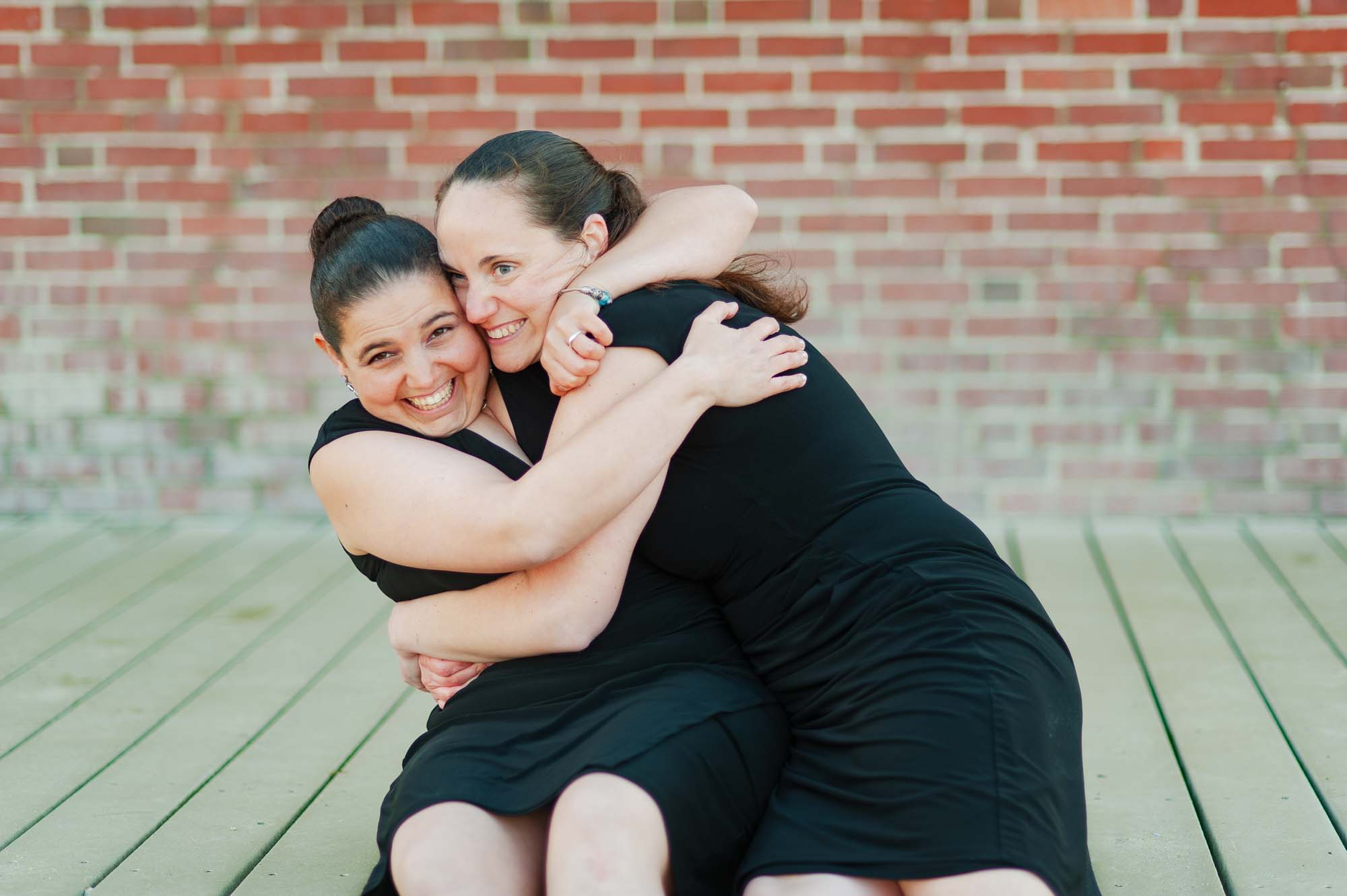
What Does Your Photographer Have to Do With Any of This?
More than you’d think. Having a photographer who understands LGBTQ+ family dynamics means they’re watching for the moments that matter, the tearful look from your chosen mom, the friend who drove six hours to be there, the grandparent who surprised you by showing up and being fully present.
When you’re choosing a photographer to document your wedding day, ask them what it actually feels like to understand your experience from the inside, not just as a category they serve. Ask how they handle complicated family situations. Ask if they’ve worked with couples who had estranged relatives or non-traditional family structures. Their answers will tell you a lot.
And if you want to know what experience to expect from working with a queer-affirming wedding photographer, it’s worth doing your research before you book anyone.
What if Things Go Wrong on the Day?
They might. Not catastrophically, probably, but someone might say something awkward. A moment might feel heavy. A person who promised to behave might not fully follow through.
Here’s what I want you to hear: one difficult moment doesn’t undo the whole day.
Your photographer will still capture the ones that mattered. Your partner will still be standing next to you. The people who love you the way you deserve to be loved will still be in the room.
And honestly, most couples tell me after the fact that the hard stuff they were dreading either didn’t happen or faded quickly in comparison to everything that was beautiful.
Can I invite family members who haven’t fully accepted my relationship?
You can, and many couples do. The key is going in with eyes open. Have a direct conversation beforehand about your expectations. Give them a clear picture of what the day will look like and what behavior you need from them. Some people genuinely rise to the occasion when given the chance.
Should I involve unsupportive parents in wedding planning?
It depends on the person and the relationship. Some couples find that involvement helps bring a parent along on the journey. Others find it creates more stress than it’s worth. If you do involve them, set clear limits upfront about what decisions are yours to make.
How do I handle family members who misgender my partner?
This is worth addressing before the wedding, not during it. A calm, direct conversation or message before the event sets the expectation clearly. If it happens on the day anyway, having a trusted person ready to step in is helpful. You shouldn’t have to police this yourself while also getting married.
Is it okay to not invite biological family to my wedding?
Absolutely. Your guest list is yours. If someone’s presence would compromise your safety, comfort, or joy, you are not obligated to include them. Many LGBTQ+ couples have beautiful weddings surrounded entirely by chosen family, and those celebrations are just as meaningful and valid.
How do we find LGBTQ+ friendly vendors who actually understand queer weddings?
Look for vendors who specifically mention LGBTQ+ experience on their websites and in their work. Ask direct questions during consultations. Pay attention to whether they use inclusive language, whether they ask about both partners equally, and whether they seem genuinely comfortable with your relationship. Referrals from other queer couples are also invaluable.
Let’s Make Sure Your Day Actually Feels Like Yours
If you’re in the thick of wedding planning and the family stuff is weighing on you, I hope this gave you something useful to hold onto. You deserve a wedding that reflects your relationship, your community, and who you actually are.
If you’re looking for photographers who’ve been in your shoes and will show up for your day with care and intention, we’d love to connect. Take a look around, reach out with questions, or just say hi. We’re here for it.