There’s something about a gay Jewish wedding in Boston that just works. The city has a deep Jewish history, a strong LGBTQ+ community, and no shortage of couples who want a wedding that honors both parts of their identity without compromise. As a Boston gay wedding photographer, I’ve had the privilege of being in the room for a lot of these days. They’re consistently some of the most meaningful weddings I photograph.
This post is a look at what a gay Jewish wedding in Boston actually looks and feels like, from the ketubah signing to the ceremony to the portraits, along with some practical thoughts for couples who are in the planning process.
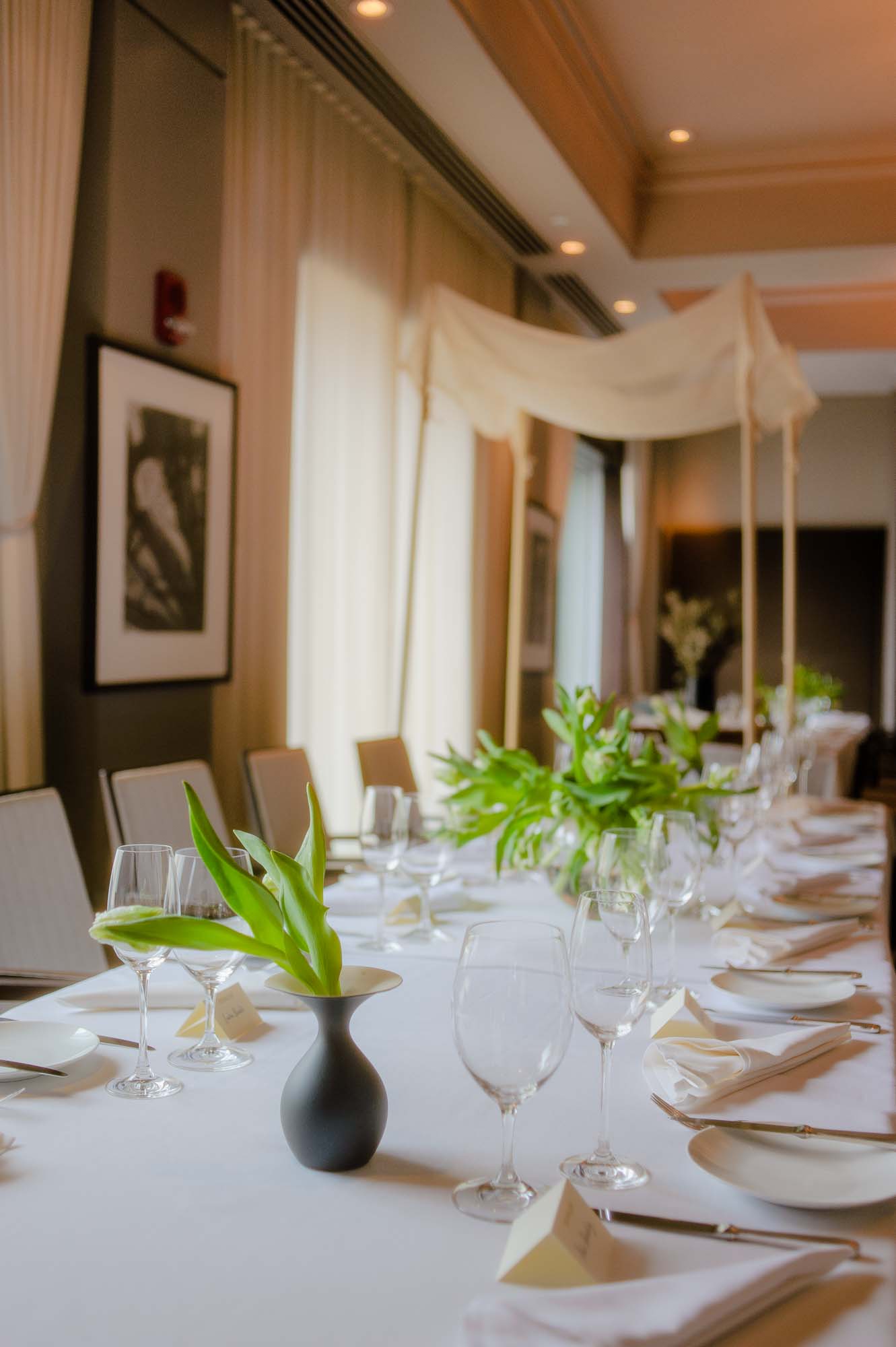
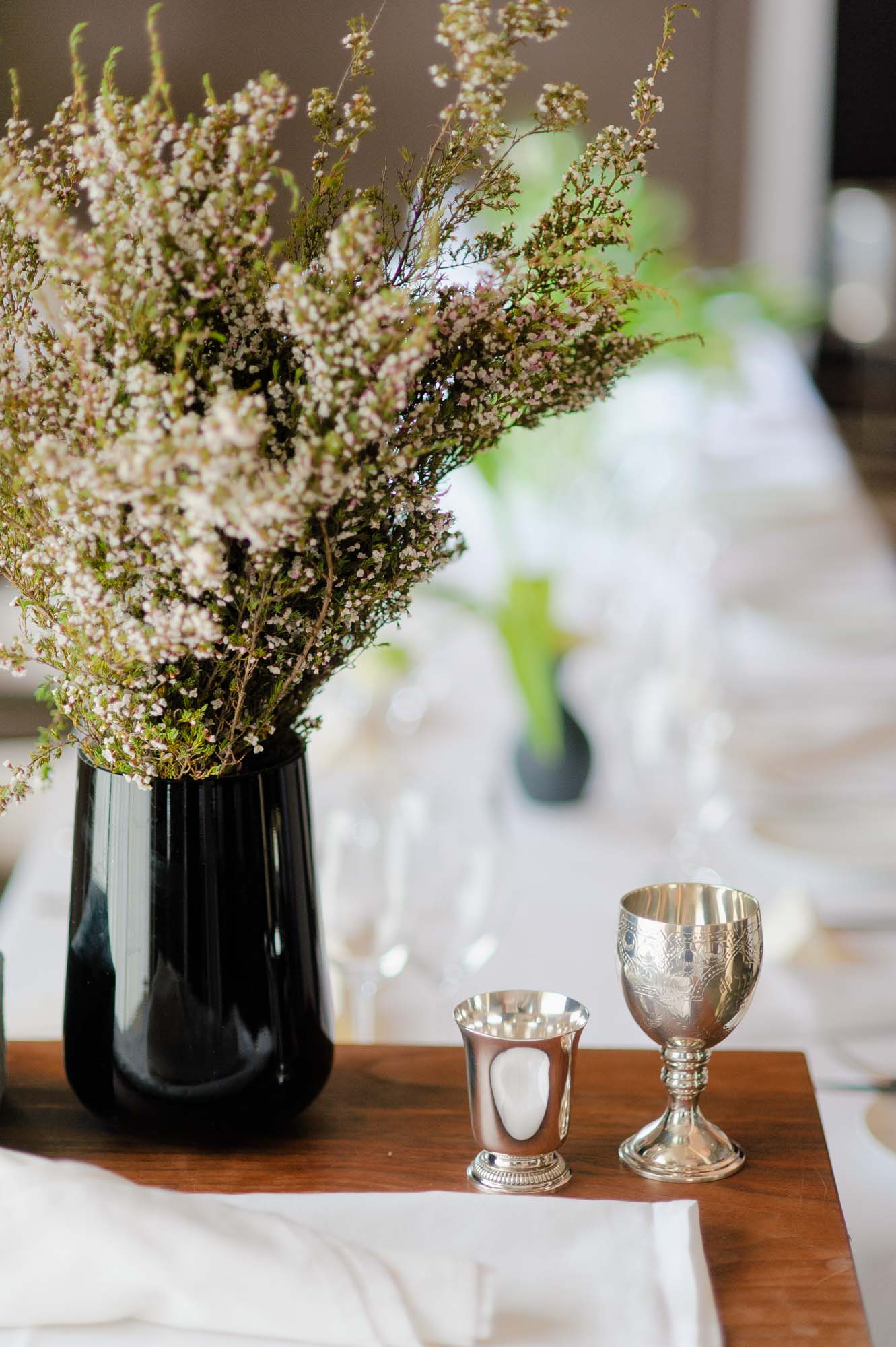
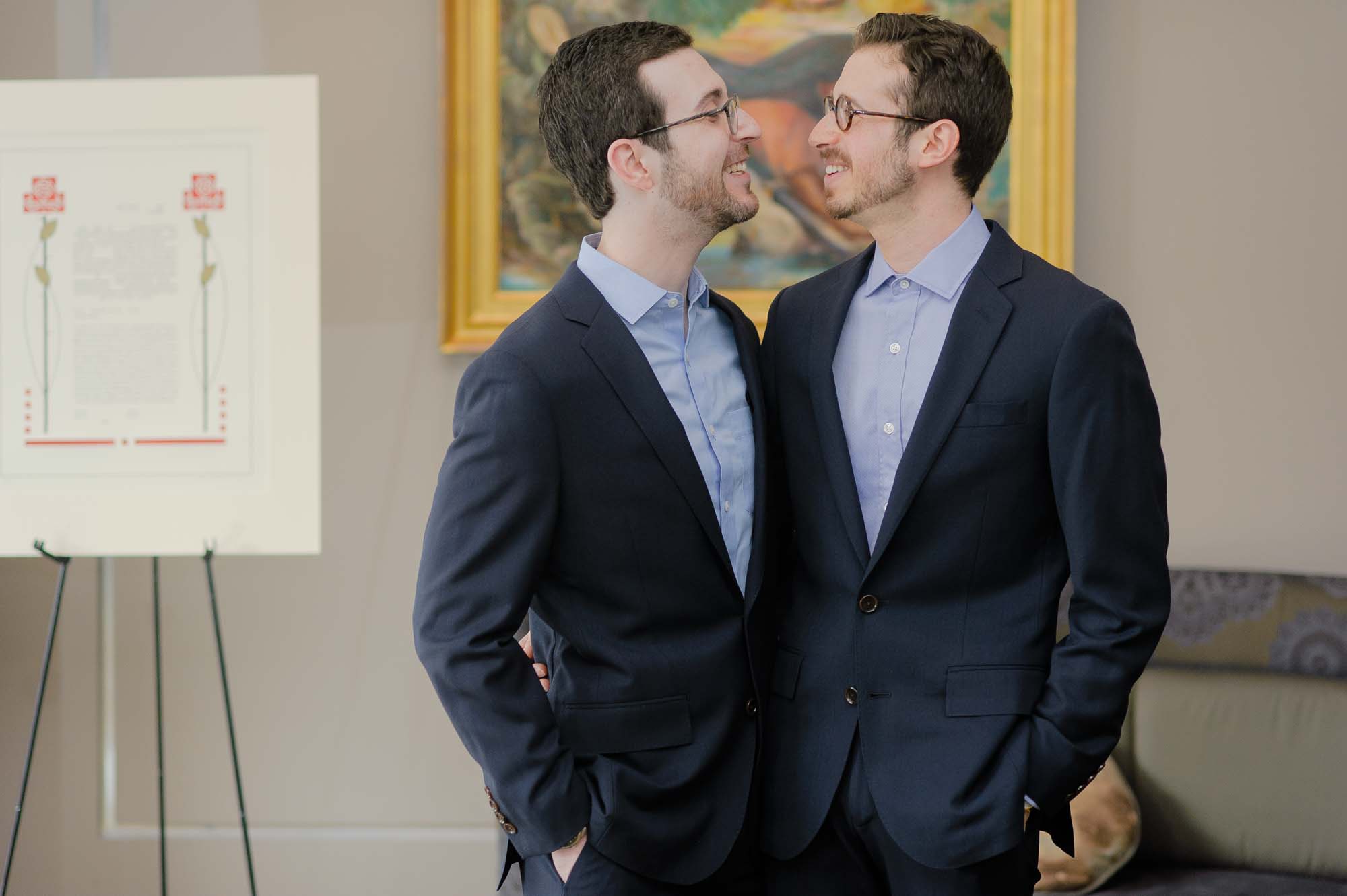
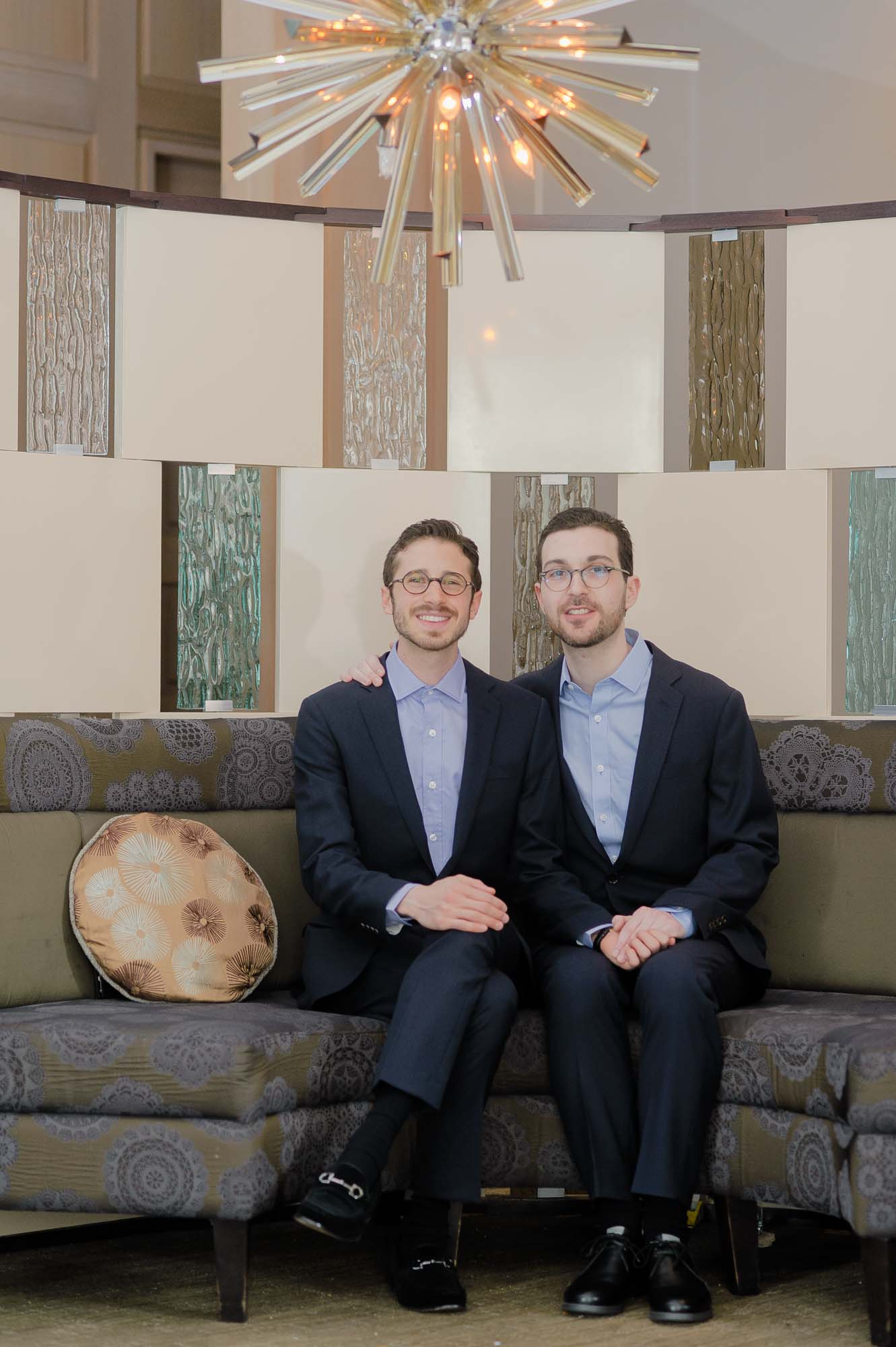
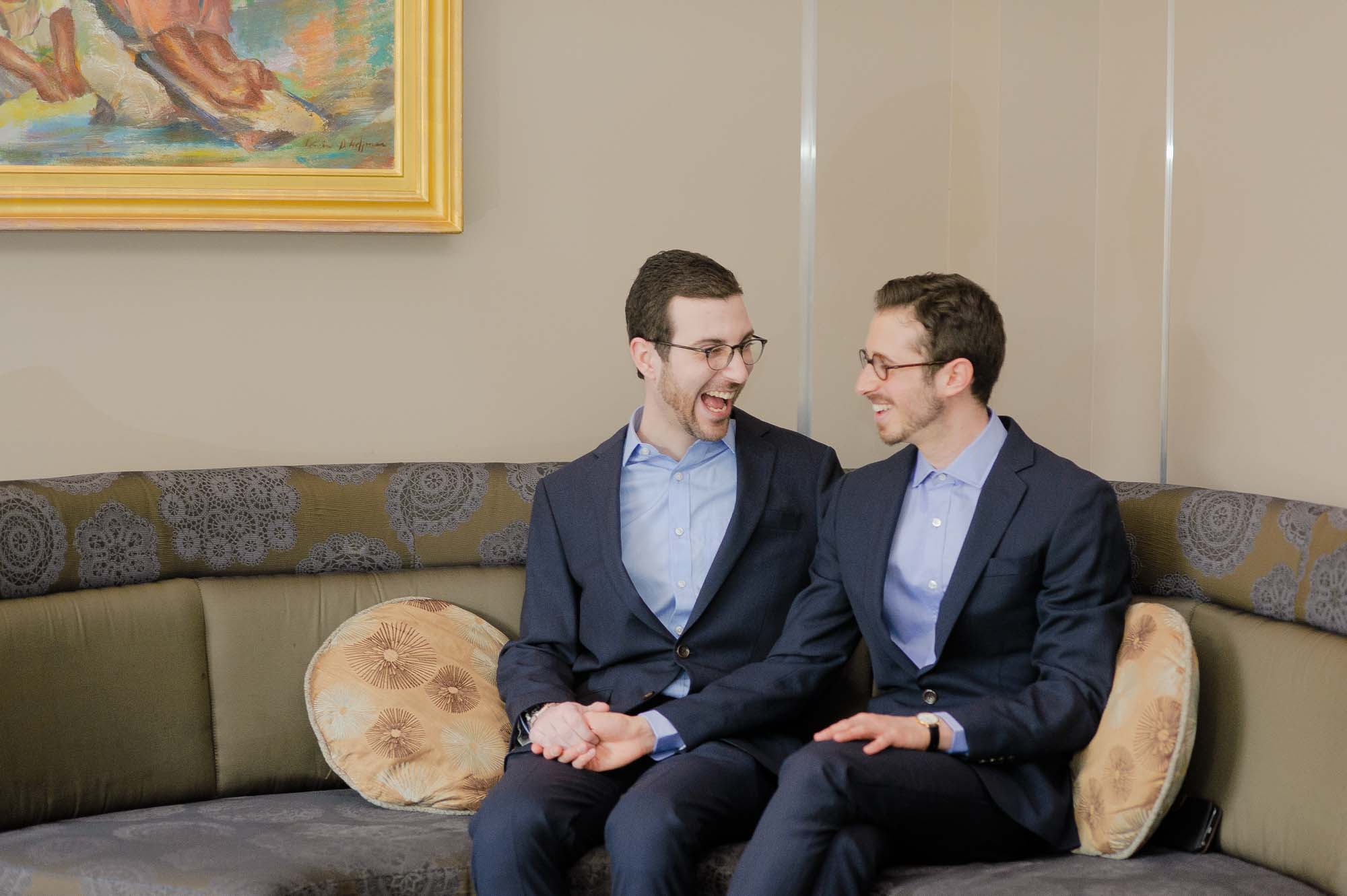
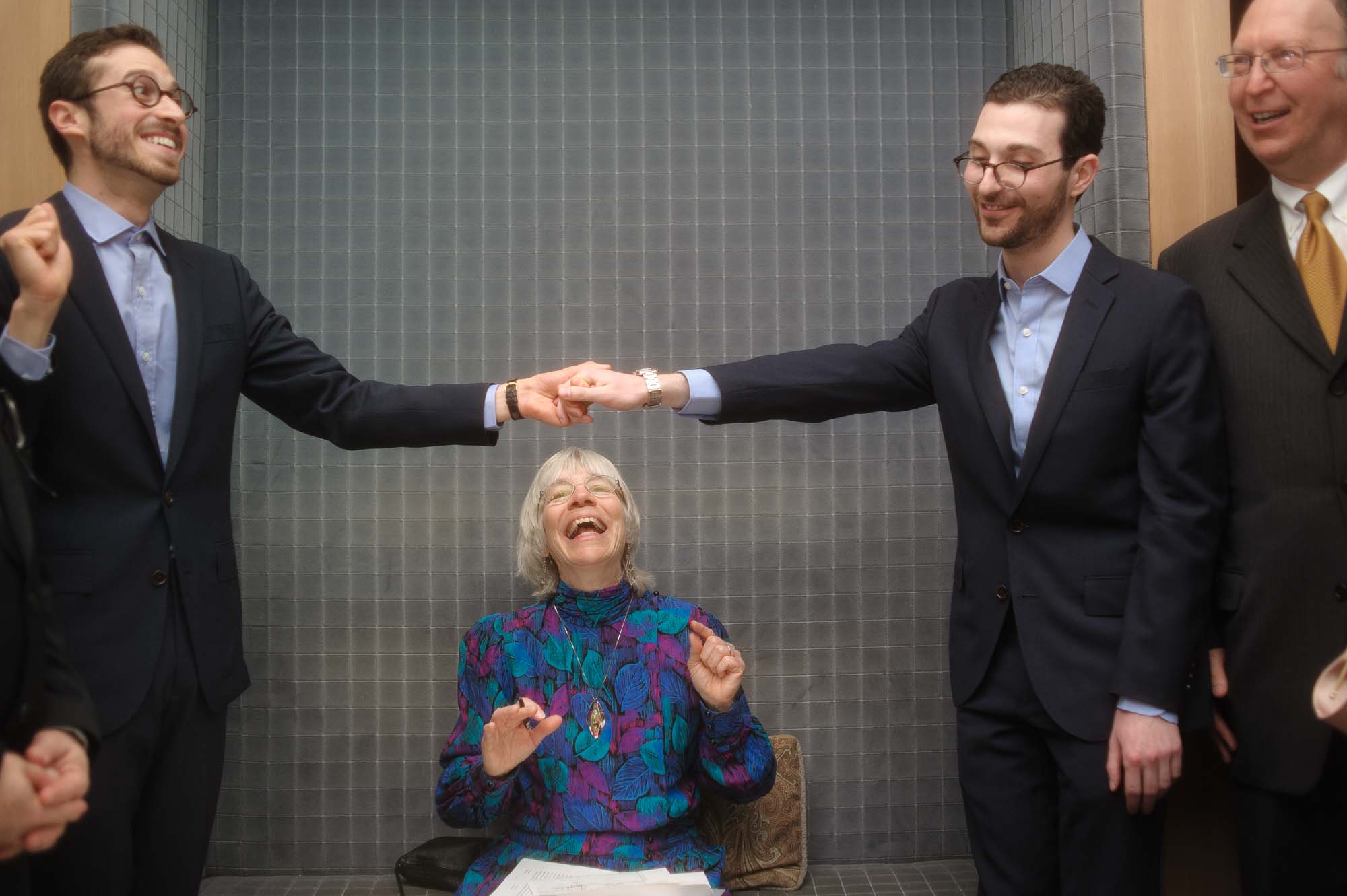
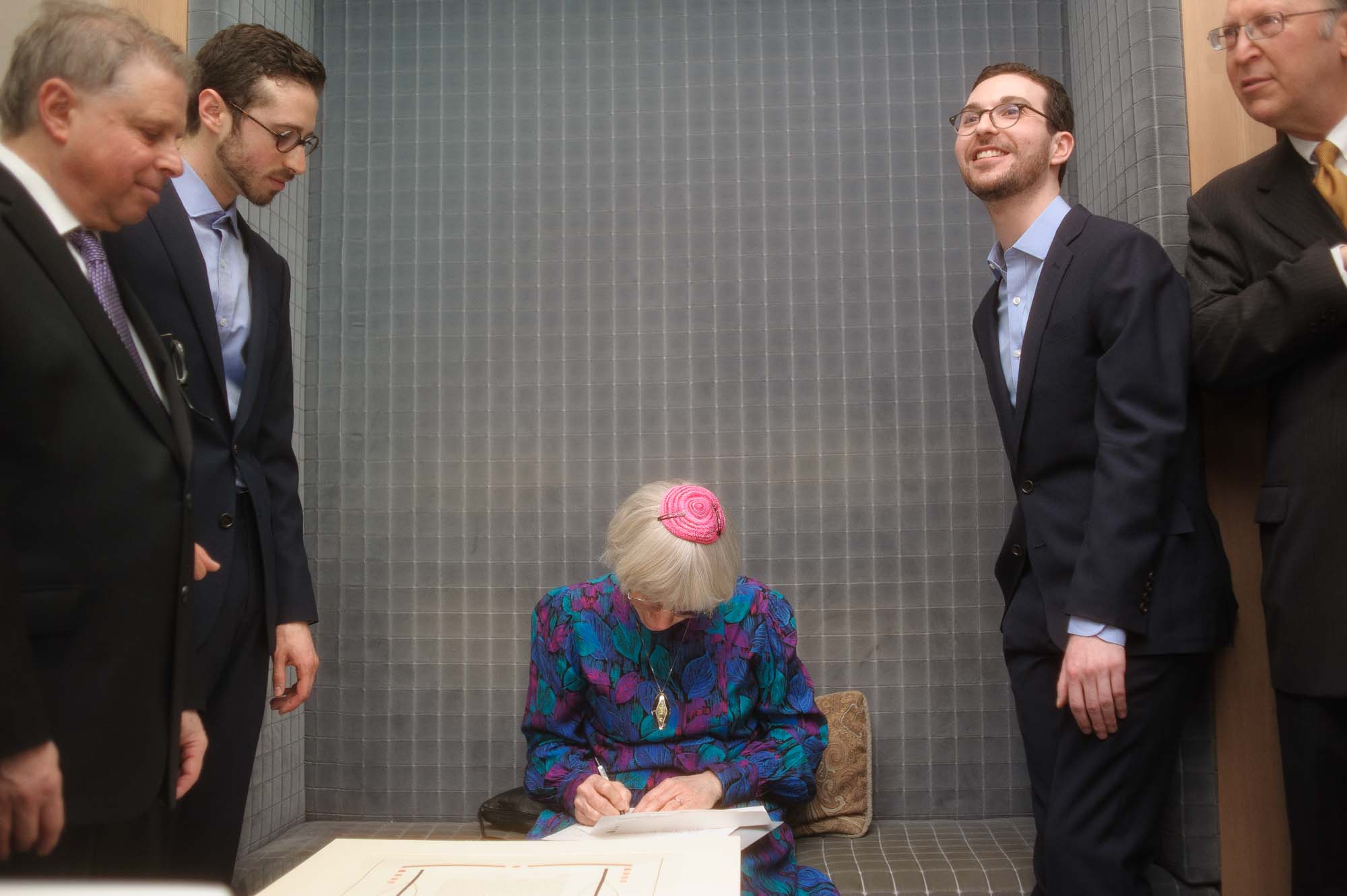
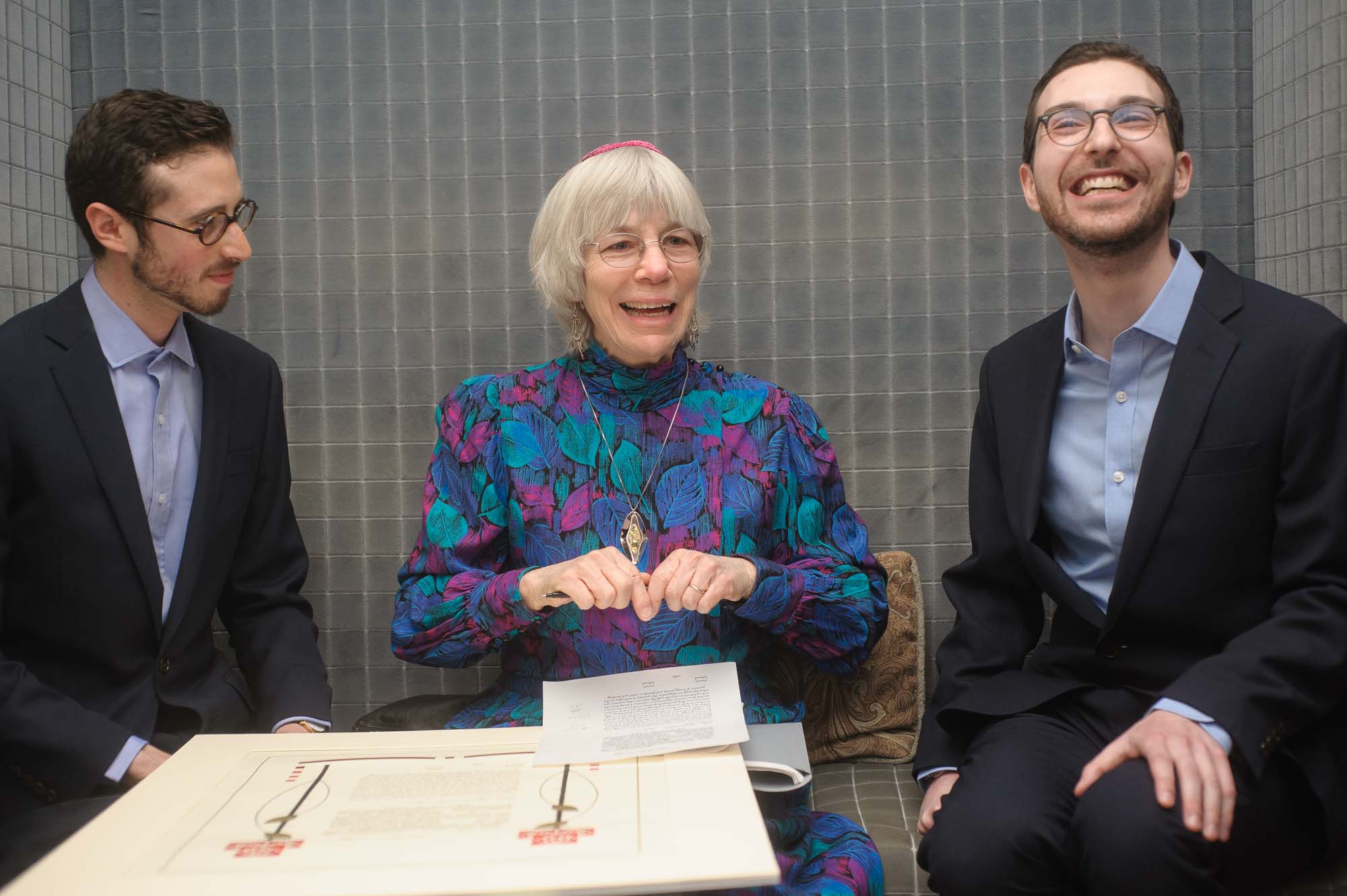
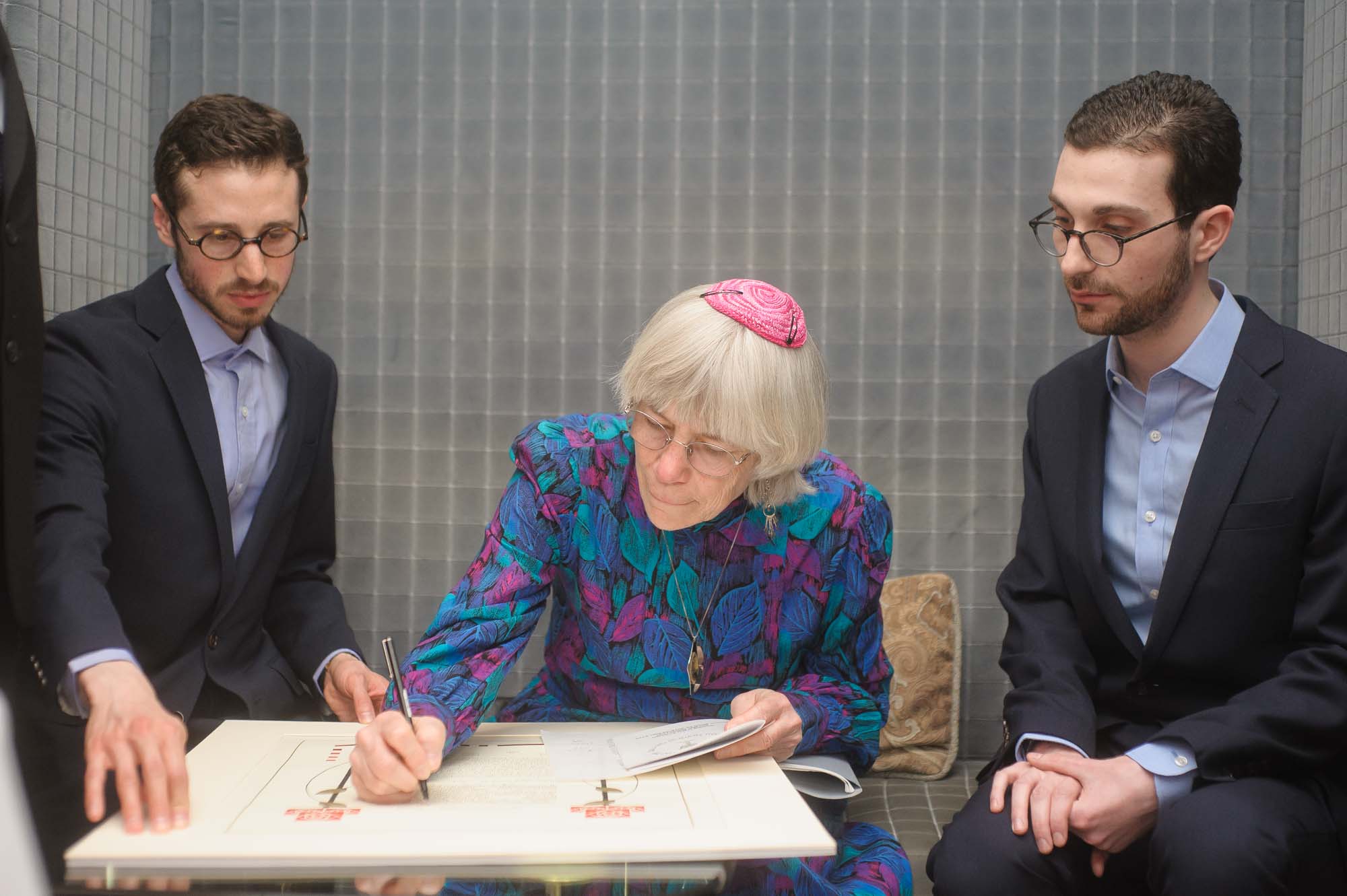
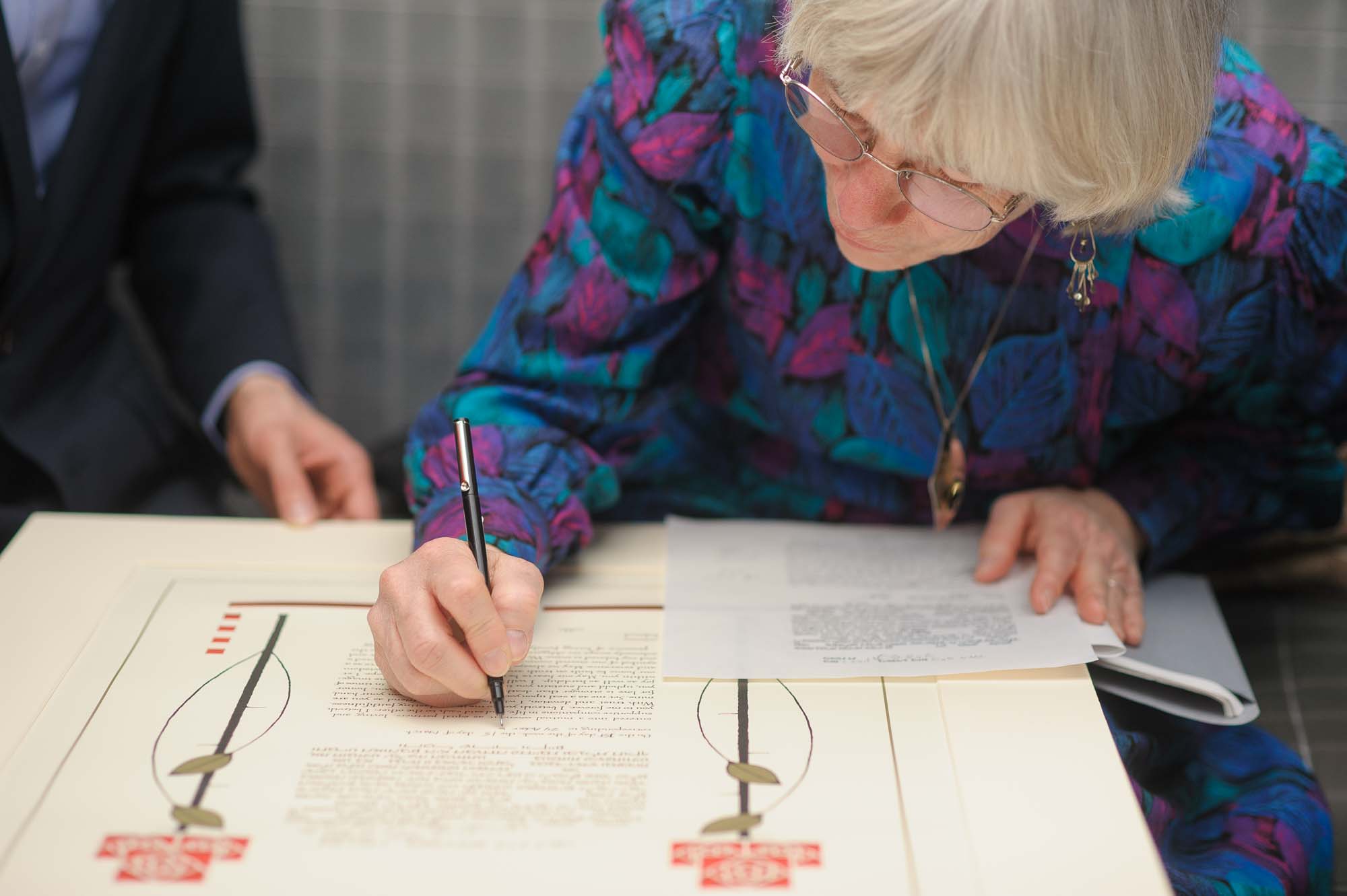
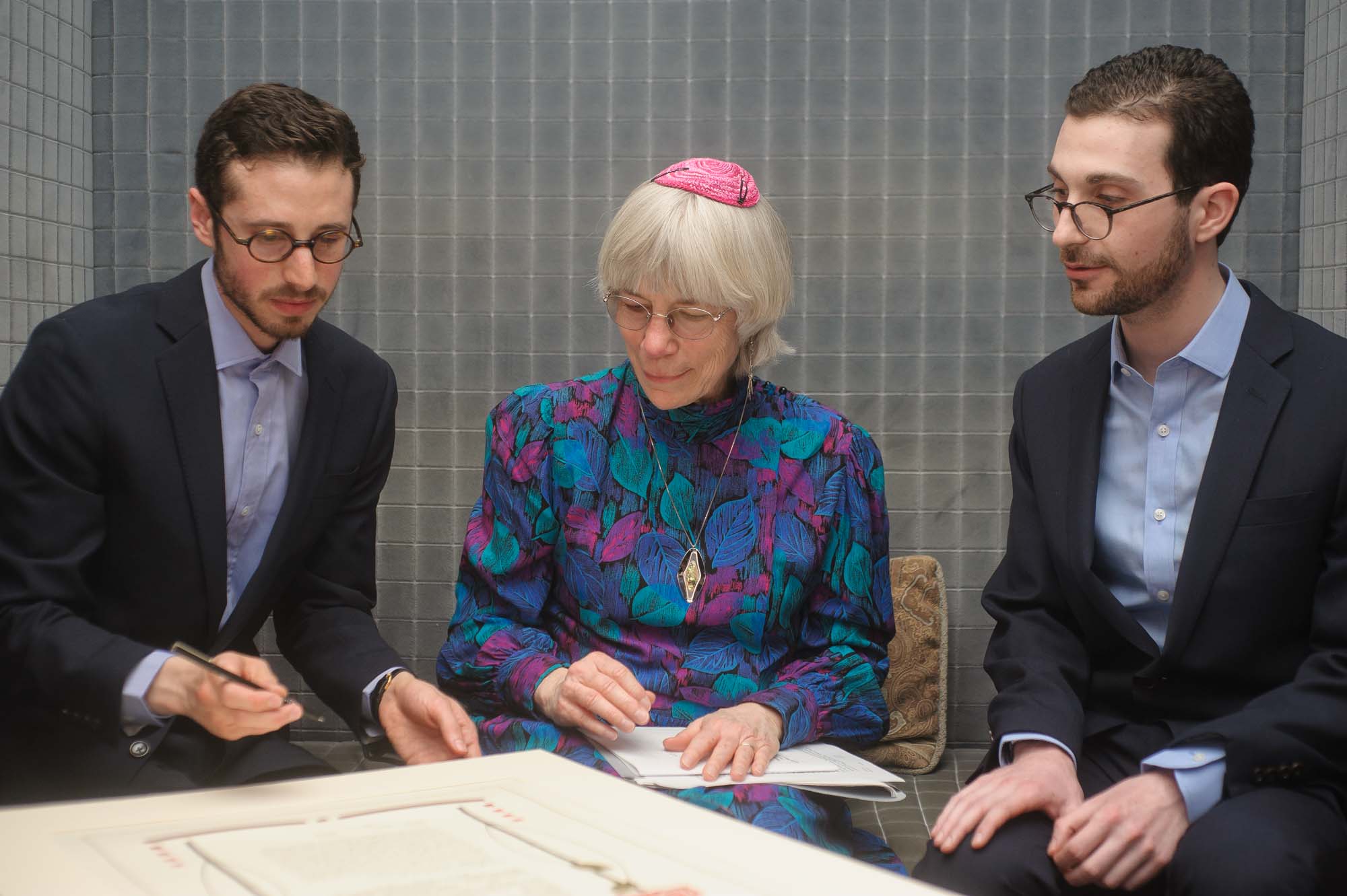
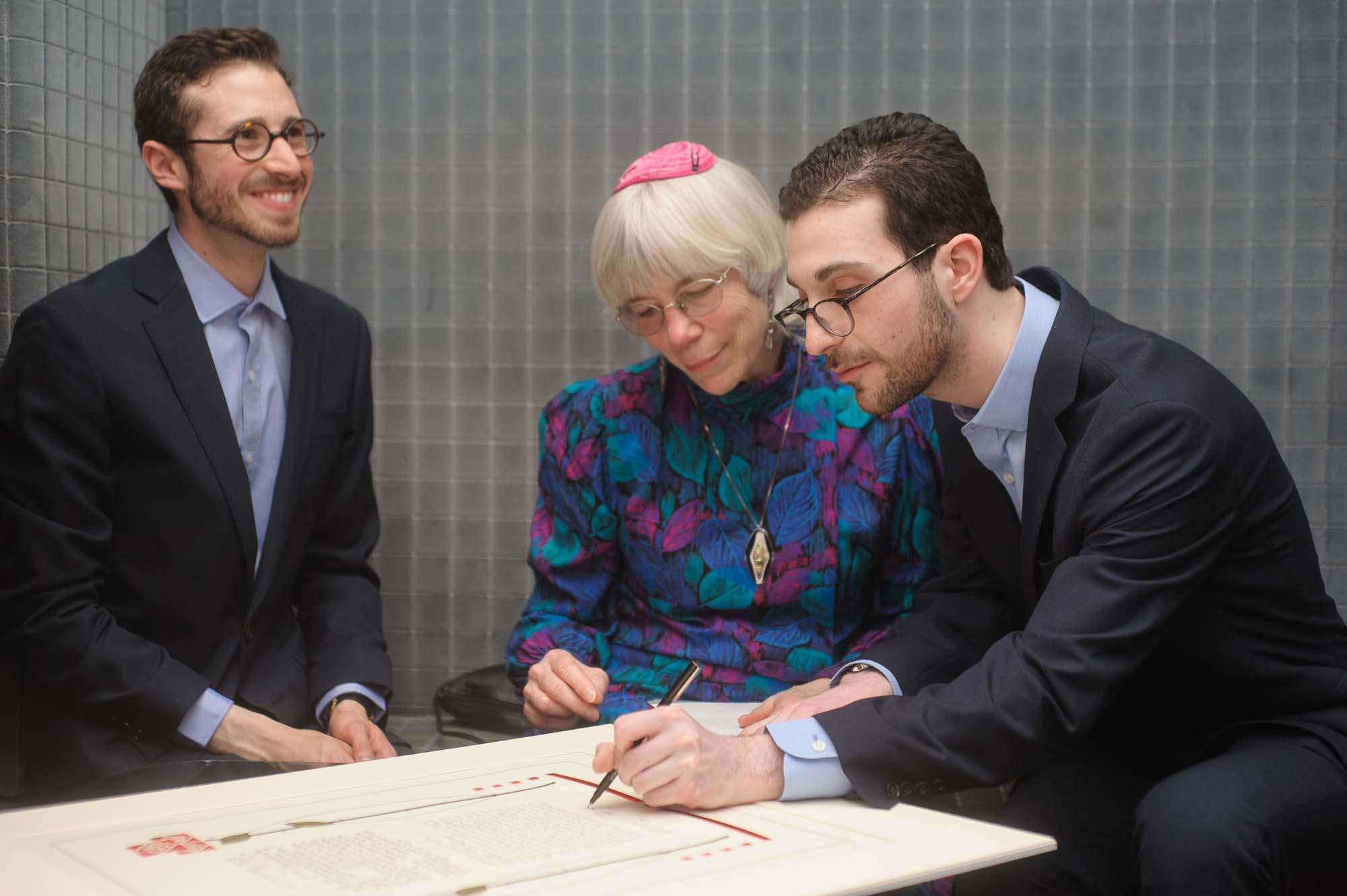
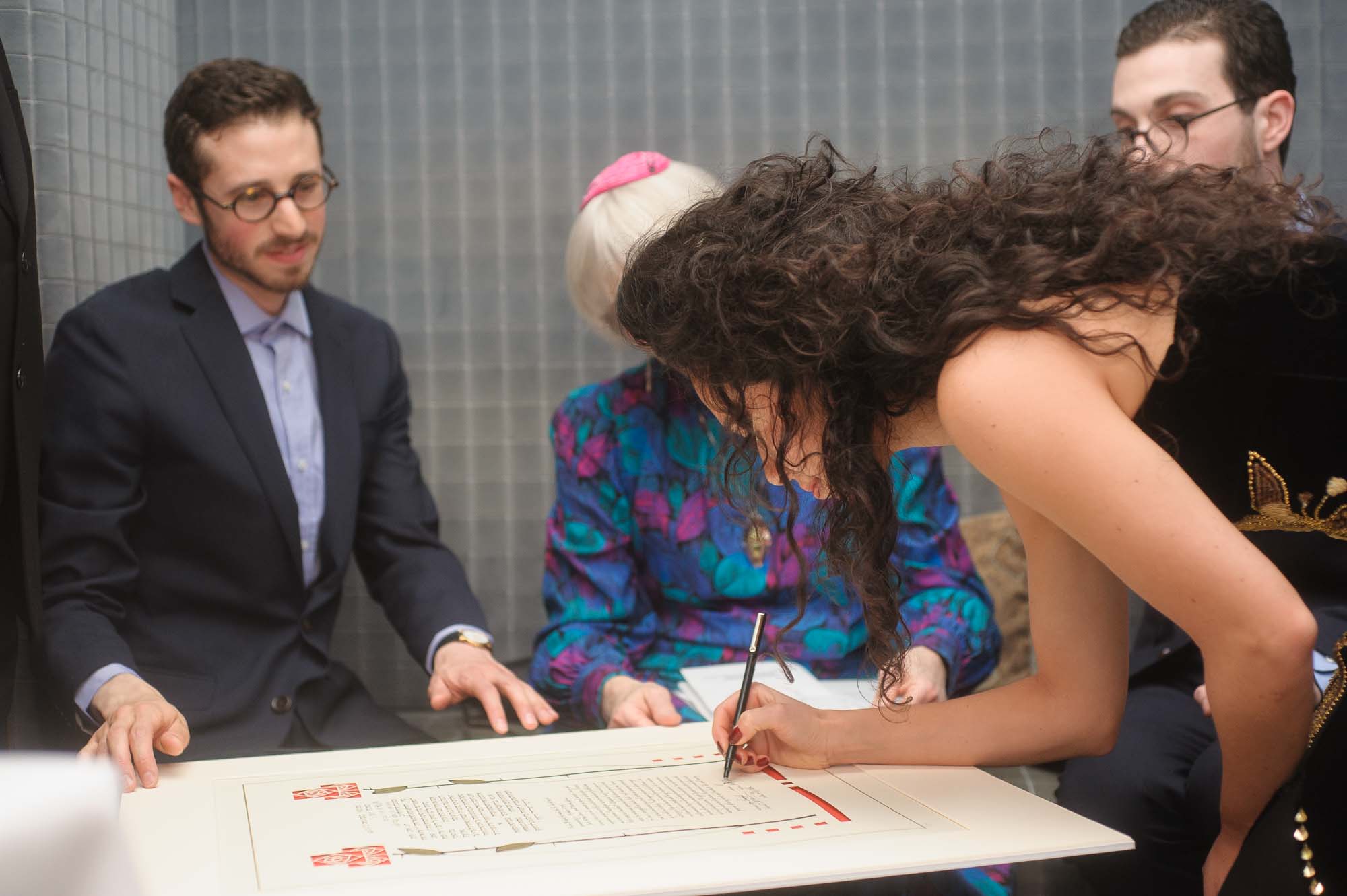
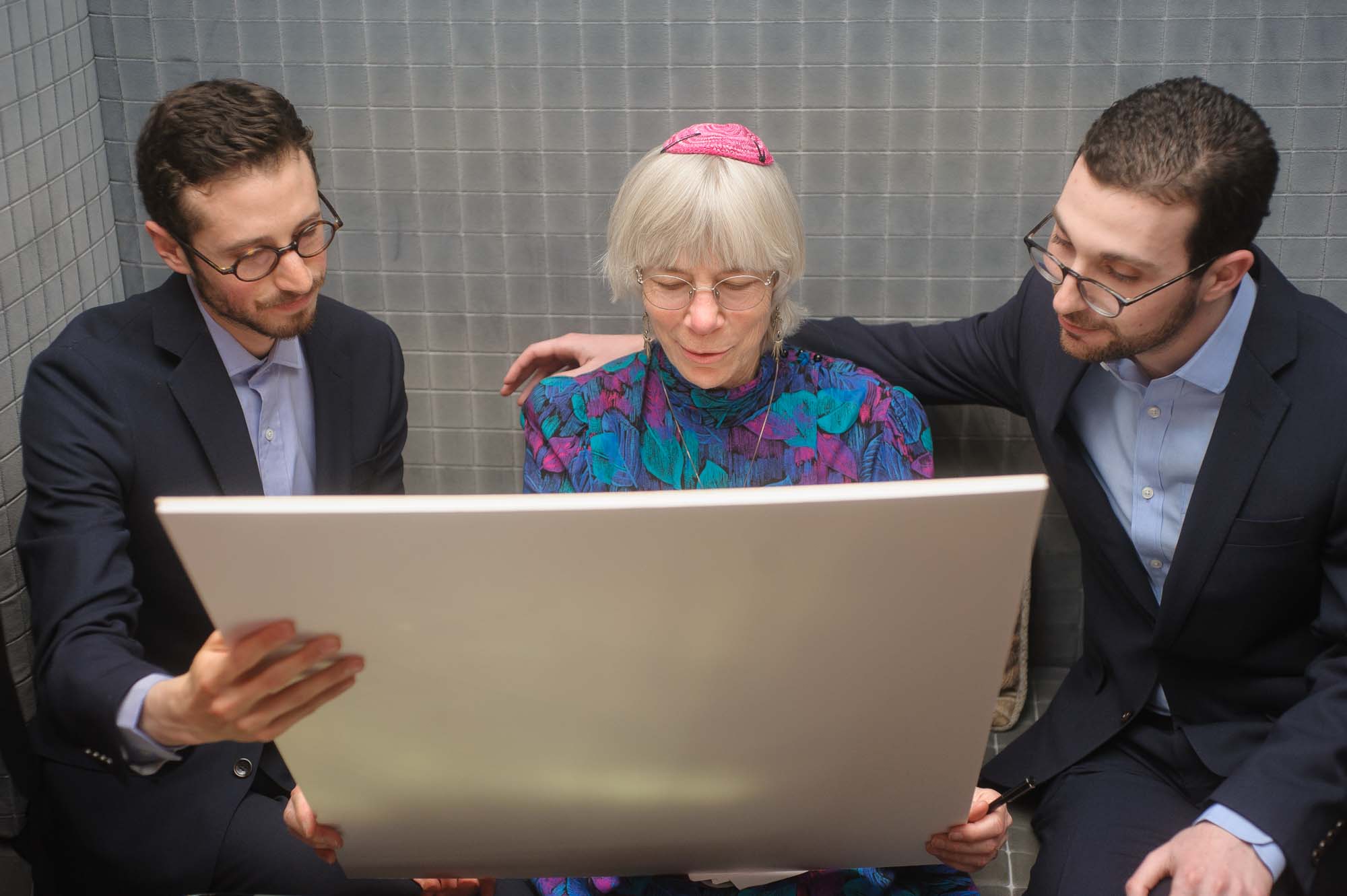
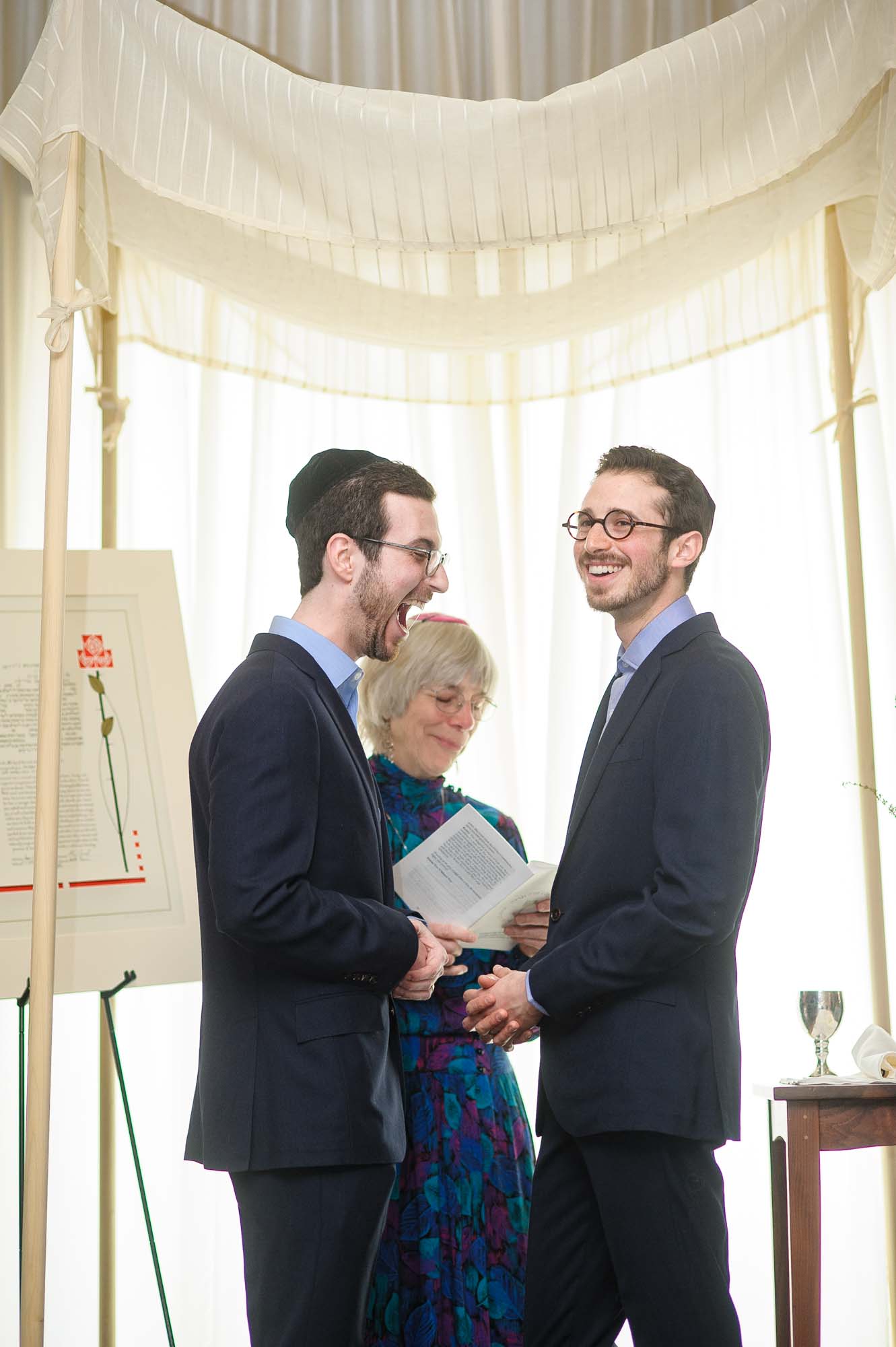
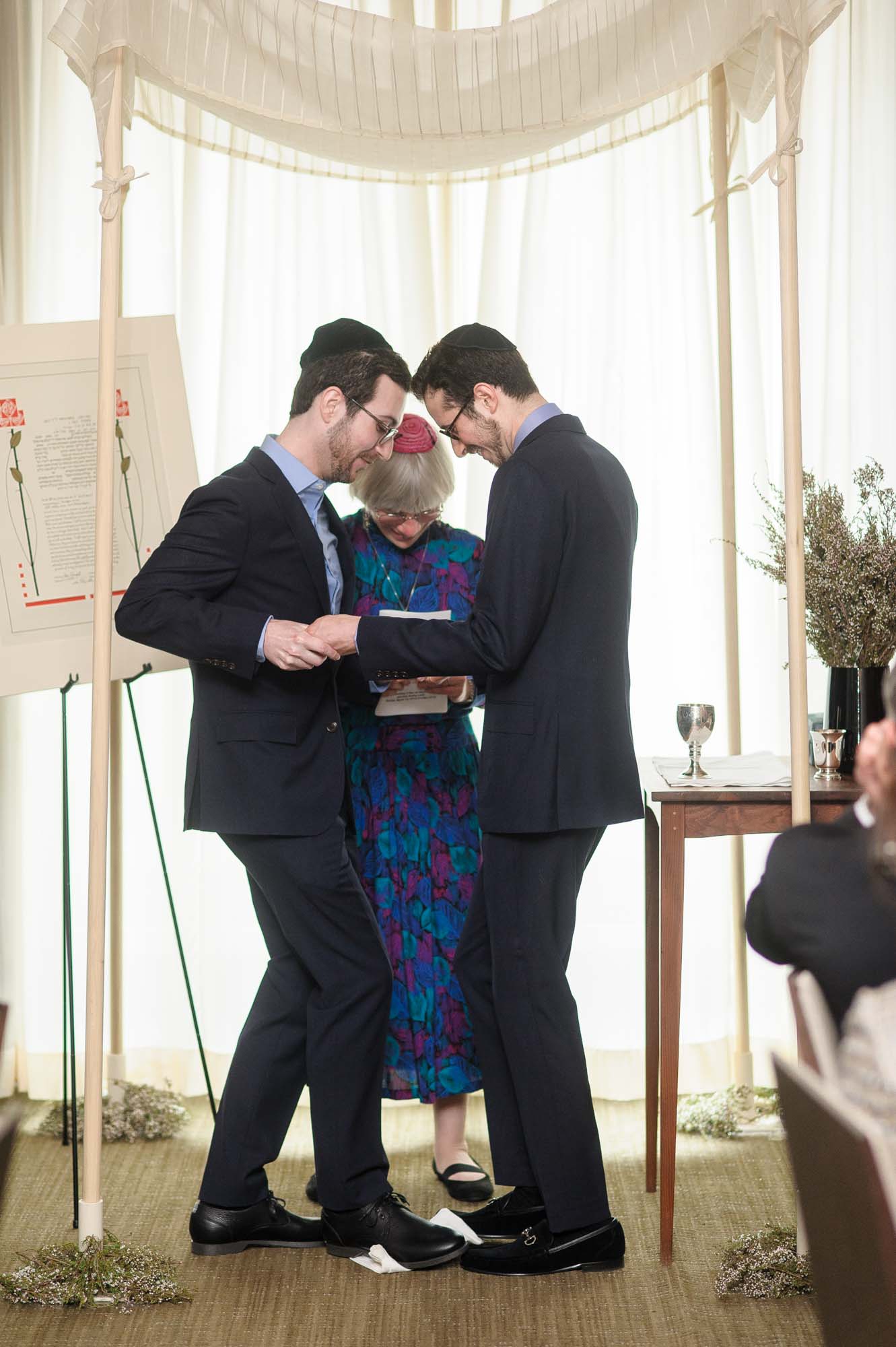
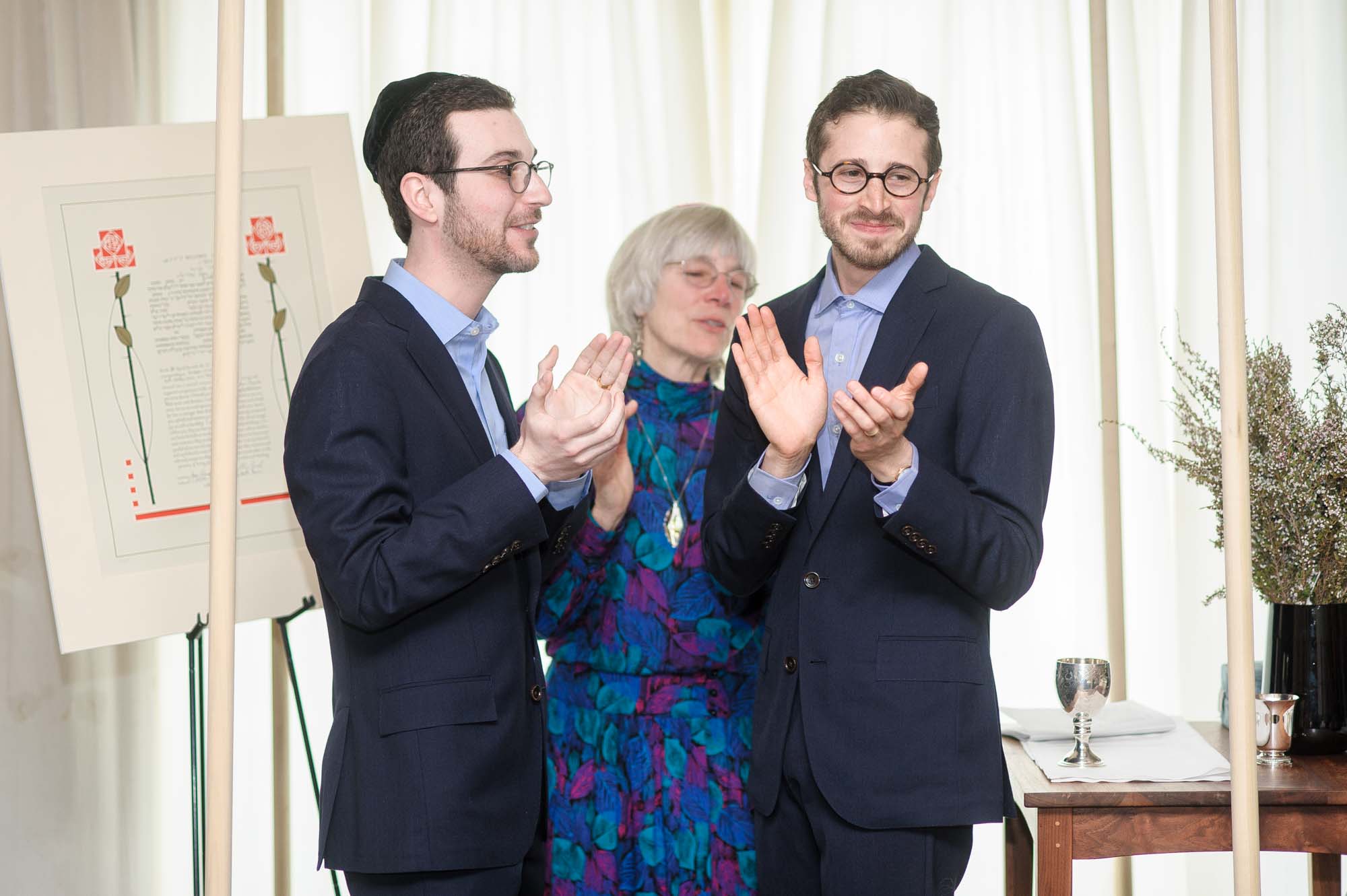
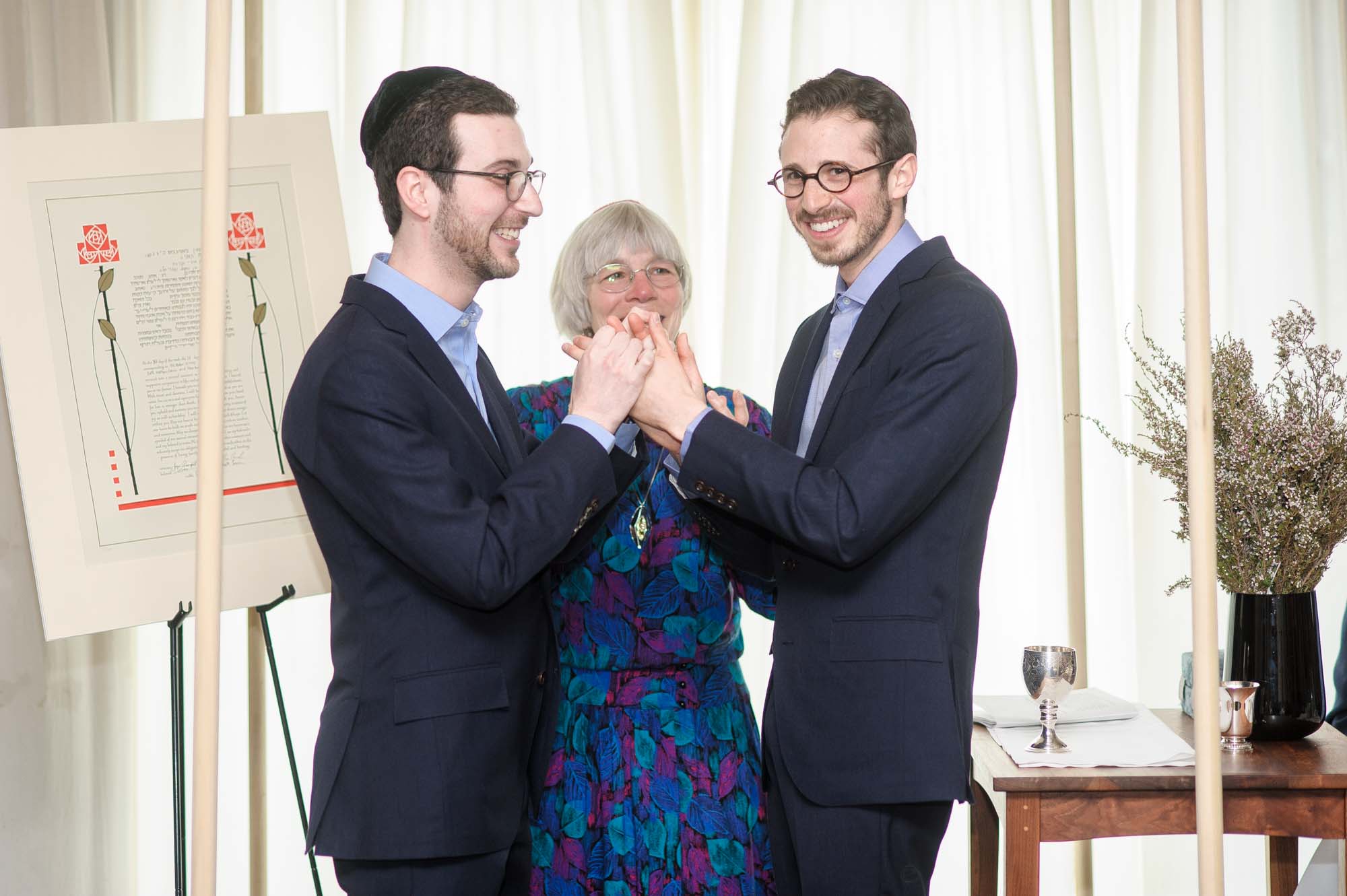
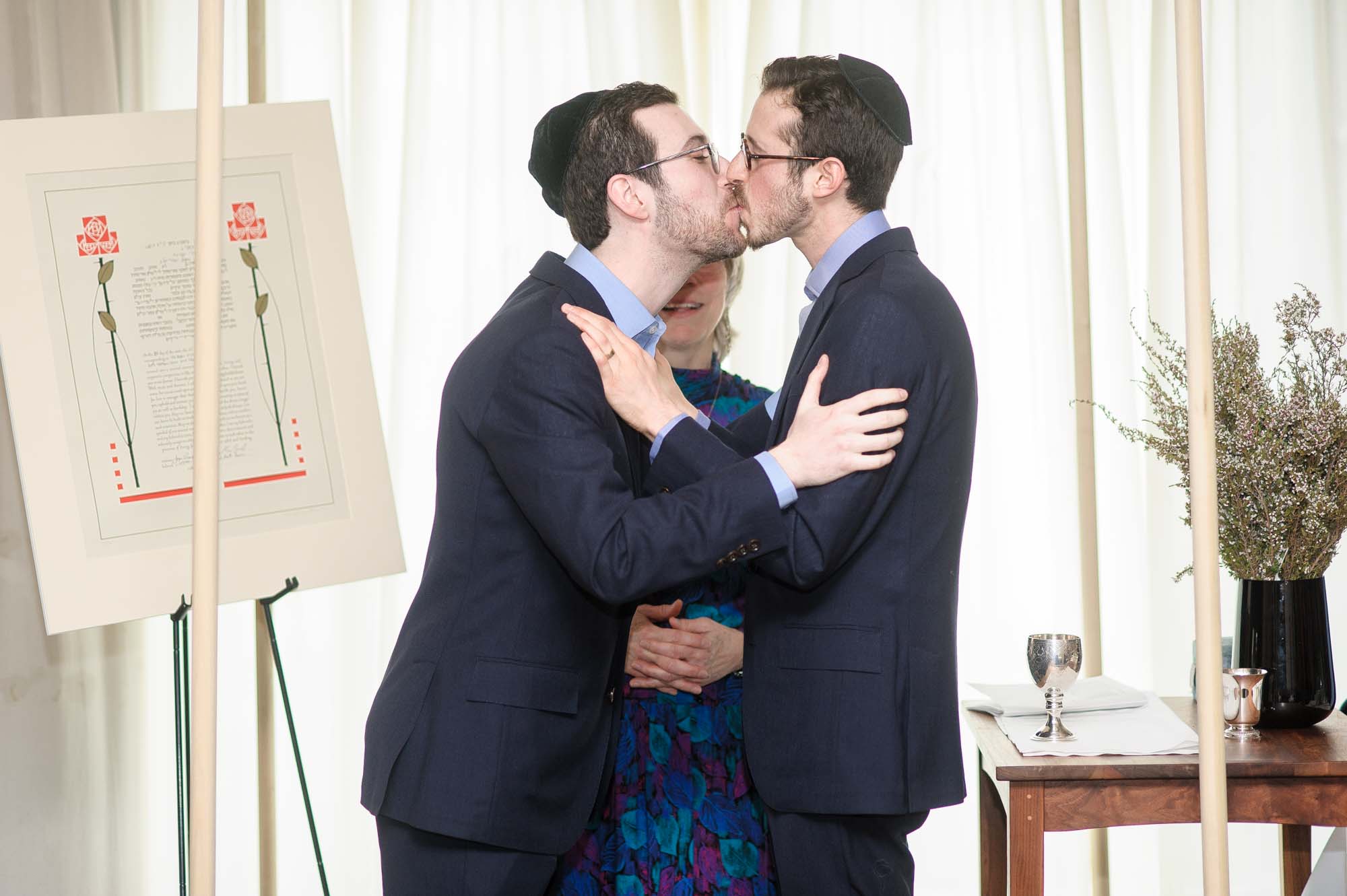
The Ketubah Signing
If you’ve never attended a Jewish wedding before, the ketubah signing might be the element that surprises you most. And it’s often the one that moves people the most deeply.
The ketubah is a Jewish marriage contract. Signing it, typically just before the ceremony with a small group of witnesses present, is the first official act of the marriage. It’s quiet. Intimate. Just the couple, the rabbi, a few people who matter most, and the document itself.
What makes it so powerful is the stillness of it. The ceremony hasn’t started yet. The guests aren’t seated. The whole day is still ahead. And yet something real and binding is already happening.
For gay Jewish couples, the ketubah often carries extra meaning. Many couples choose a custom ketubah with inclusive language written specifically for them. Some commission artwork for it. It becomes not just a legal document but a piece of the relationship itself.
From a photography standpoint, this is one of the moments I’m most focused on. It’s the kind of image that ends up framed.
What a Gay Jewish Ceremony Looks and Feels Like
A Jewish ceremony has structure. There’s a clear beginning, middle, and end. And within that structure, there’s a surprising amount of room for a couple to make it their own.
The ceremonies I photograph for gay Jewish couples in Boston tend to feel intentional in a way that’s hard to describe. These couples have usually thought carefully about which traditions they want to keep, which to adapt, and what they want the whole thing to feel like. That intentionality comes through in the room.
A few things that define the atmosphere:
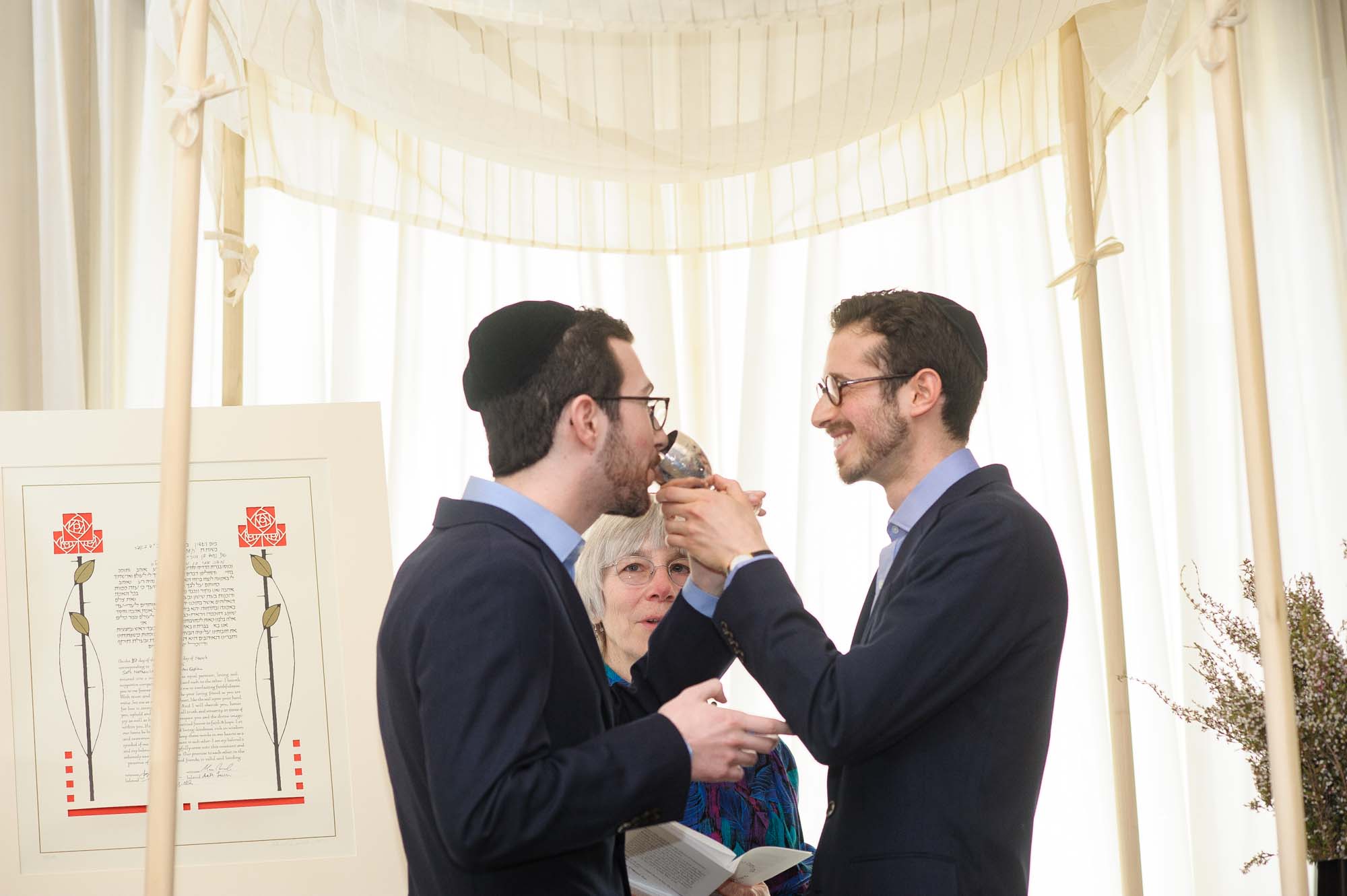
- The chuppah creates a sense of sacred, enclosed space that feels intimate even in a larger room
- The Sheva Brachot (seven blessings) set a tone that’s both joyful and weighty
- The ring exchange, simple as it is, tends to land hard
- The moment after the final kiss, when the room responds, is something I never get tired of
If you’re working through how to structure your entrance and processional as a gay couple, this guide on how to walk down the aisle as a gay couple has a lot of practical ideas.
How Jewish Wedding Traditions Work for Gay Couples
This is something I want to address directly, because I hear questions about it a lot.
Jewish wedding traditions are, in my experience, among the most naturally inclusive of any religious tradition. The core rituals aren’t built around a rigid bride-and-groom model the way some other ceremonies are. With a good rabbi and a little intentional planning, everything fits.
Here’s a breakdown of the main traditions and how they translate for gay couples.
The Ketubah
Traditionally, the ketubah outlined the groom’s obligations to his bride. Today, egalitarian and same-sex versions of the ketubah are widely available and used regularly by LGBTQ+-affirming rabbis.
The language is updated to reflect a mutual commitment between two partners. Many gay couples love this tradition precisely because it gives the relationship a written, witnessed form before the ceremony even begins.
The Chuppah
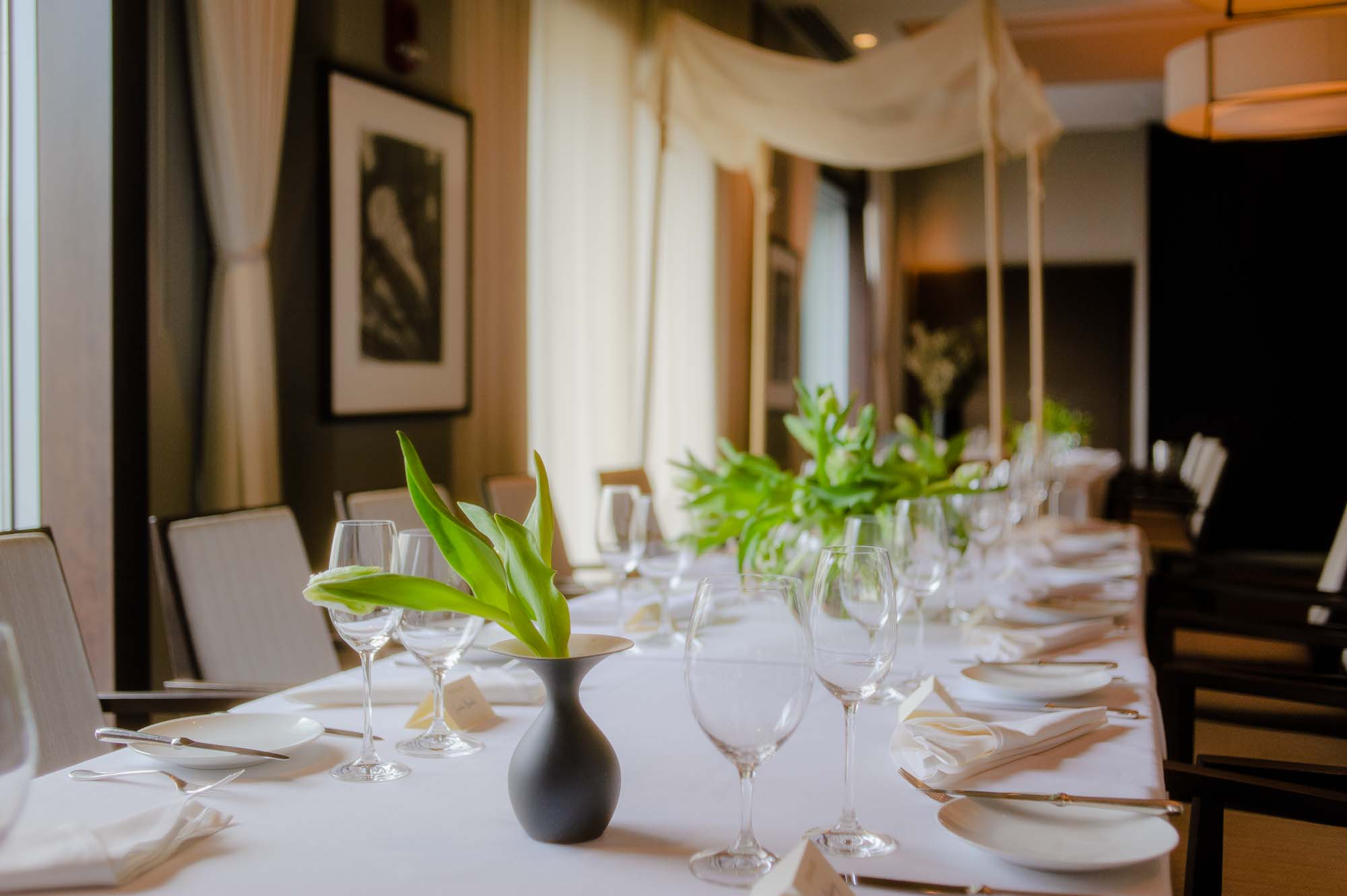
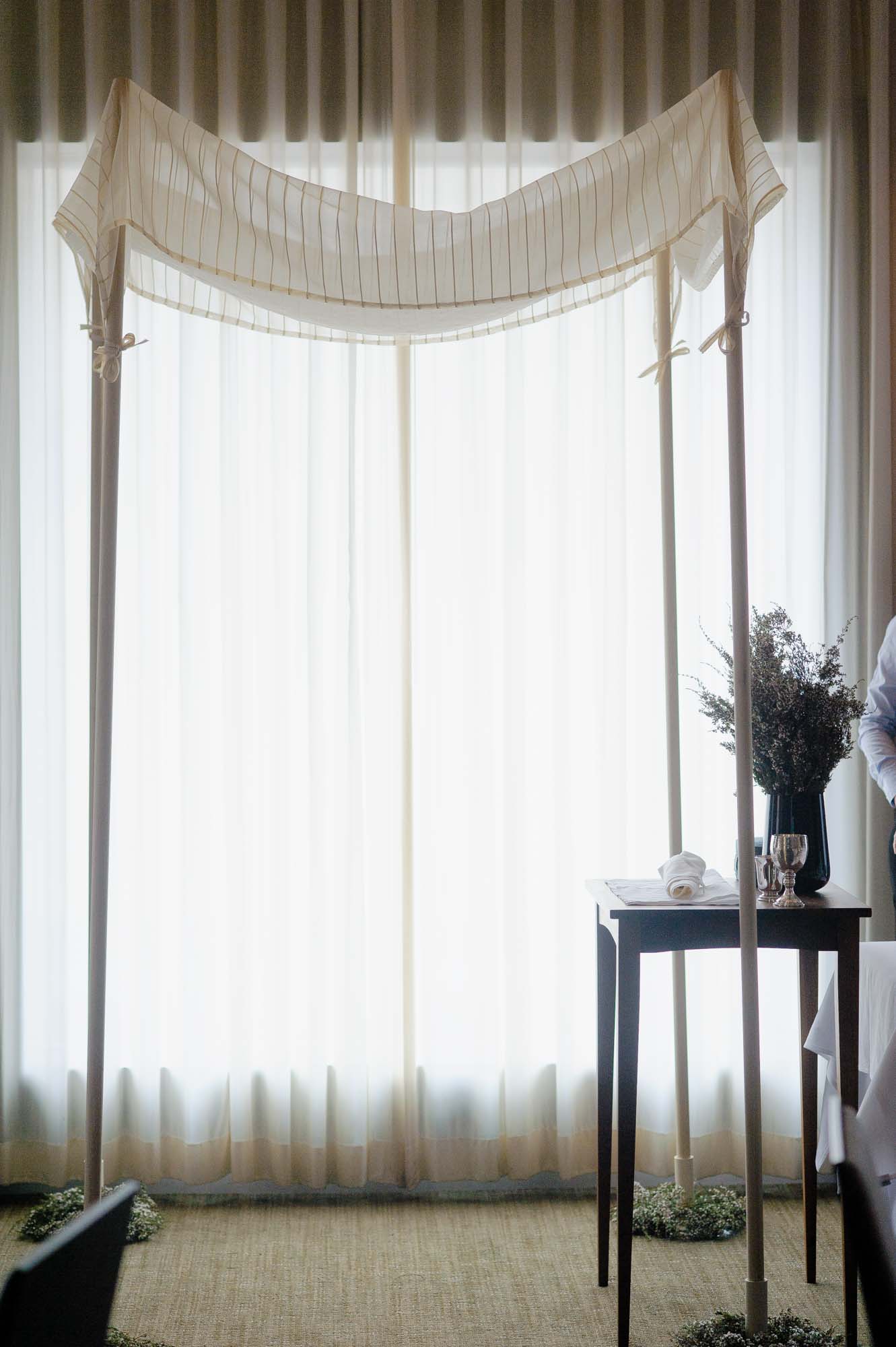
The chuppah, a canopy held up by four poles, represents the new home the couple is building together. It has no gender. Two grooms or two brides stand under it exactly the same way any couple would.
Some couples choose to have family members hold the poles, which makes it a participatory moment for the people closest to them.
The Sheva Brachot
The seven blessings are chanted or recited during the ceremony. In egalitarian and LGBTQ+-affirming ceremonies, the language of the blessings is inclusive. Some rabbis use a mix of Hebrew and English, which helps guests follow along and feel the meaning of each one.
This is one of the elements gay Jewish couples most often say they’re glad they kept. It gives the ceremony a rhythm and a gravity that’s hard to replicate any other way.
The Ring Exchange
Two rings, two people, equal weight. This one translates without any adaptation needed.
What I’ve noticed is that gay couples often bring a lot of presence to this moment. Maybe because the right to exchange rings publicly and legally is not something that’s always been a given. The ring exchange tends to land with real force.
Breaking the Glass
Traditionally done by the groom at the end of the ceremony, the breaking of the glass is one of the most recognizable Jewish wedding rituals. In gay weddings, couples often choose to break it together, each stepping on a wrapped glass simultaneously.
It gets a big reaction from the room every single time.
For more on blending these traditions with your own identity, this post on redefining wedding traditions for LGBTQ+ couples goes into a lot of useful detail.
Finding the Right Rabbi for a Gay Jewish Wedding in Boston
The rabbi you choose shapes the entire ceremony. It’s one of the most important decisions you’ll make.
Boston has a strong community of LGBTQ+-affirming rabbis, particularly within Reform and Conservative congregations. What you’re looking for is someone who doesn’t just tolerate a same-sex wedding but genuinely celebrates it. There’s a difference, and you can feel it in how the ceremony runs.
A few things worth asking a rabbi before you commit:
- Have you officiated same-sex weddings before?
- What does your approach to the ketubah look like for gay couples?
- How do you handle the gendered language in traditional blessings?
- Can we meet beforehand to talk through what the ceremony will feel like?
A good rabbi will welcome those questions. And the best ones will already have clear, thoughtful answers.
If you’re navigating complex family dynamics around the wedding, especially if some family members are less accepting than others, this guide on navigating family dynamics in LGBTQ+ weddings is worth reading before you finalize your guest list and seating.
Planning a Gay Jewish Wedding in Boston: What to Know
Boston is a genuinely great city for this kind of wedding. The Jewish community is established and active. The LGBTQ+ community is visible and celebrated. And there’s no shortage of vendors, venues, and officiants who have experience with both.
A few practical notes:
Book your rabbi early. LGBTQ+-affirming rabbis in Boston are in demand. If you have a specific date in mind, especially one tied to the Jewish calendar, don’t wait.
Think about your ketubah artist. Custom ketubot take time to commission. If you want something original, start that process months ahead of the wedding.
Talk to your photographer about the ketubah signing. Not every photographer knows what it is or understands the significance. Make sure yours does.
Consider the ceremony length. A full Jewish ceremony with all the traditional elements typically runs 30 to 45 minutes. Factor that into your day’s timeline.
For the broader picture of what planning looks like as a queer couple, this post on unique LGBTQ+ wedding planning challenges covers a lot of ground.
FAQs About Planning a Jewish Gay Wedding
Is a Jewish ceremony legally valid for a gay couple in Massachusetts?
Yes. Massachusetts has recognized same-sex marriage since 2004. A Jewish ceremony officiated by an authorized clergy member is fully legally valid for any couple in the state.
Do we have to be affiliated with a synagogue to have a rabbi officiate our wedding?
Not necessarily. Many rabbis in Boston will officiate weddings for couples who aren’t synagogue members, particularly if you’re willing to meet with them in advance. It’s worth reaching out directly and having an honest conversation about your situation.
Can we include non-Jewish elements in a Jewish ceremony?
Yes, and many couples do. The key is finding a rabbi who’s comfortable with that blend. Some couples incorporate readings, music, or rituals from other traditions. As long as the core Jewish elements are present, there’s usually flexibility around the rest.
What should we look for in a photographer for a gay Jewish wedding?
Experience with Jewish ceremonies matters a lot. The ketubah signing, the chuppah, the Sheva Brachot — these are specific moments that require a photographer who knows they’re coming and understands their significance. Beyond that, look for someone whose work with queer couples feels genuine. This guide on what LGBTQ+ couples should look for in a wedding photographer is a good starting point.
How far in advance should we book for a Boston wedding?
For most Boston weddings, 12 to 18 months is a solid lead time. If your date is tied to the Jewish calendar or falls during peak wedding season (late spring through early fall), lean toward the longer end of that window.
Hire an inclusive wedding photgrapher
If you’re planning a gay Jewish wedding in Boston and you’re looking for a photographer who genuinely understands this kind of day, I’d love to connect. Send me a message and let’s talk about your wedding.