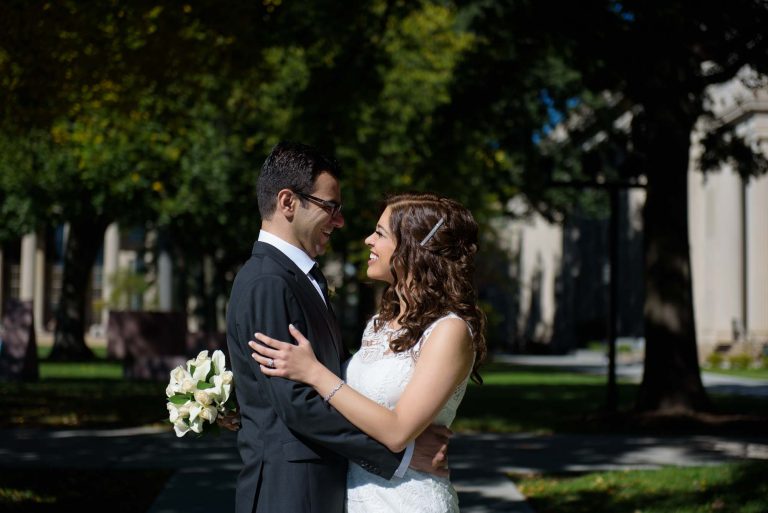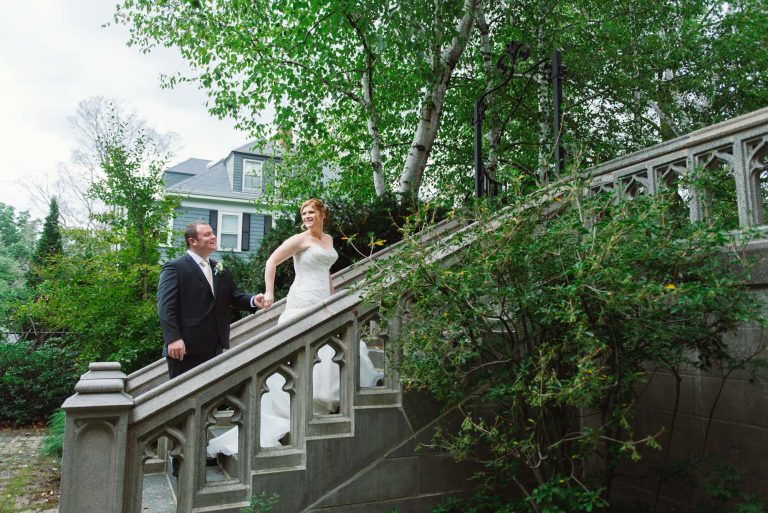
Eloping in Boston is genuinely one of the easier things to pull off in this city, and it can be incredibly beautiful when you do it right. But there’s more to it than picking a pretty spot and showing up. You need a marriage license, you may need a permit depending on where you go, and you need to know how all of it fits together. As a Boston elopement photographer, I’ve helped couples plan intimate ceremonies across the city, and this guide covers everything you need to know, from the paperwork to choosing the kind of location that actually fits who you are.
Legal Requirements for Eloping in Boston
What do you legally need to get married in Massachusetts?
Two things: a valid marriage license and someone authorized to officiate. Massachusetts does not require witnesses. That’s it. Once those boxes are checked, the ceremony itself can be as simple or as involved as you want.
Your officiant can be a justice of the peace, a minister, a rabbi, a priest, or a friend who gets a One-Day Marriage Designation through the state. Out-of-state clergy can officiate as long as they get state authorization first.
How do you get a marriage license in Boston?
You apply in person, together, at Boston City Hall. You’ll need to book an appointment online in advance. Bring valid photo ID (driver’s license, passport, state ID, or military ID) and your Social Security numbers. The application fee is $50, paid in cash, by card, or money order.
The license is valid for 60 days from the date of your appointment, but it can’t be used until 3 days after it’s issued. If you need to waive that waiting period, you’ll need a Marriage Without Delay Waiver from a court, which costs $195.
Do you have to file for your license in Boston specifically?
No. You can file in any Massachusetts city or town where one of you lives or where the ceremony will take place. If you live in Cambridge, for example, you can file at Cambridge City Hall instead. Just know that your marriage certificate will be registered with whichever city issued the license, regardless of where the ceremony happens.
After everything is signed and returned, a certified copy of your marriage certificate is $12 in person or $14 by mail.
How Permits Work for Boston Elopements
Does eloping in Boston always require a permit?
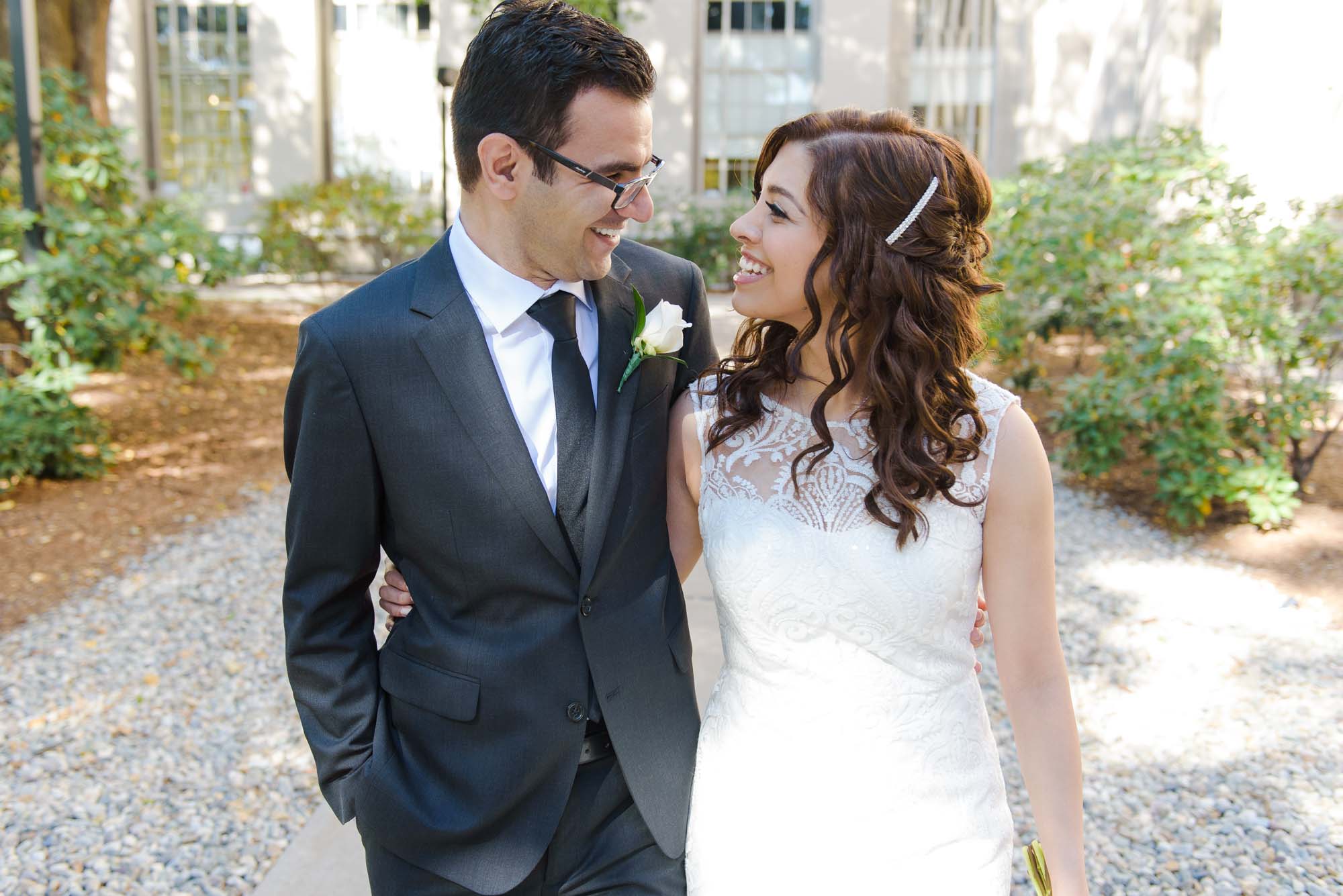
No, and this is where a lot of couples get confused. Permit requirements depend entirely on where you want to hold your ceremony. Some public spaces are completely free and open. Others fall under city, state, or conservancy jurisdiction and require advance approval. A few venues handle permitting internally as part of what they offer.
The general rule of thumb: if you’re using a Boston city park, you need a permit from the Boston Parks and Recreation Department. If you’re using a state park or a DCR property (like the Charles River Esplanade), you go through the Massachusetts Department of Conservation and Recreation. If it’s private property, a historic building, or a venue, you work directly with whoever manages the space.
What does a Boston city park permit actually allow?
A reservation through Boston Parks and Recreation gives you a designated time slot in the park. It does not give you exclusive use of the space, meaning other visitors can still walk through. You also cannot bring amplified sound, tents, chairs, decorations, confetti, rice, balloons, food, or beverages. The permit caps attendance at 50 people.
Apply at least 10 business days in advance. Ceremonies are permitted from April 1 through December 1, and not on legal holidays. Contact the Parks Permitting Division at 617-635-4505 or parks@boston.gov with specific questions.
What if the location is on state land?
DCR properties require a Special Use Permit through the state’s EEA ePLACE portal. Submit at least 30 days before your event date. The base application fee is $45. The Esplanade, Blue Hills, and the Fells are all DCR land, so if you’re eyeing any of those, you’ll go through this process rather than the city.
What locations don’t require a permit?
The Arnold Arboretum is one of the few spots in the Boston area where small ceremonies are permitted without a reservation or fee. According to the Arboretum’s official visitor guidelines, groups up to 40 people are welcome to hold ceremonies on the grounds. They ask that you notify them in advance as a courtesy. No fee, no formal permit, just a heads-up.
City Hall and Cambridge City Hall also handle everything internally. There’s no park permit involved.
Types of Elopement Locations in Boston
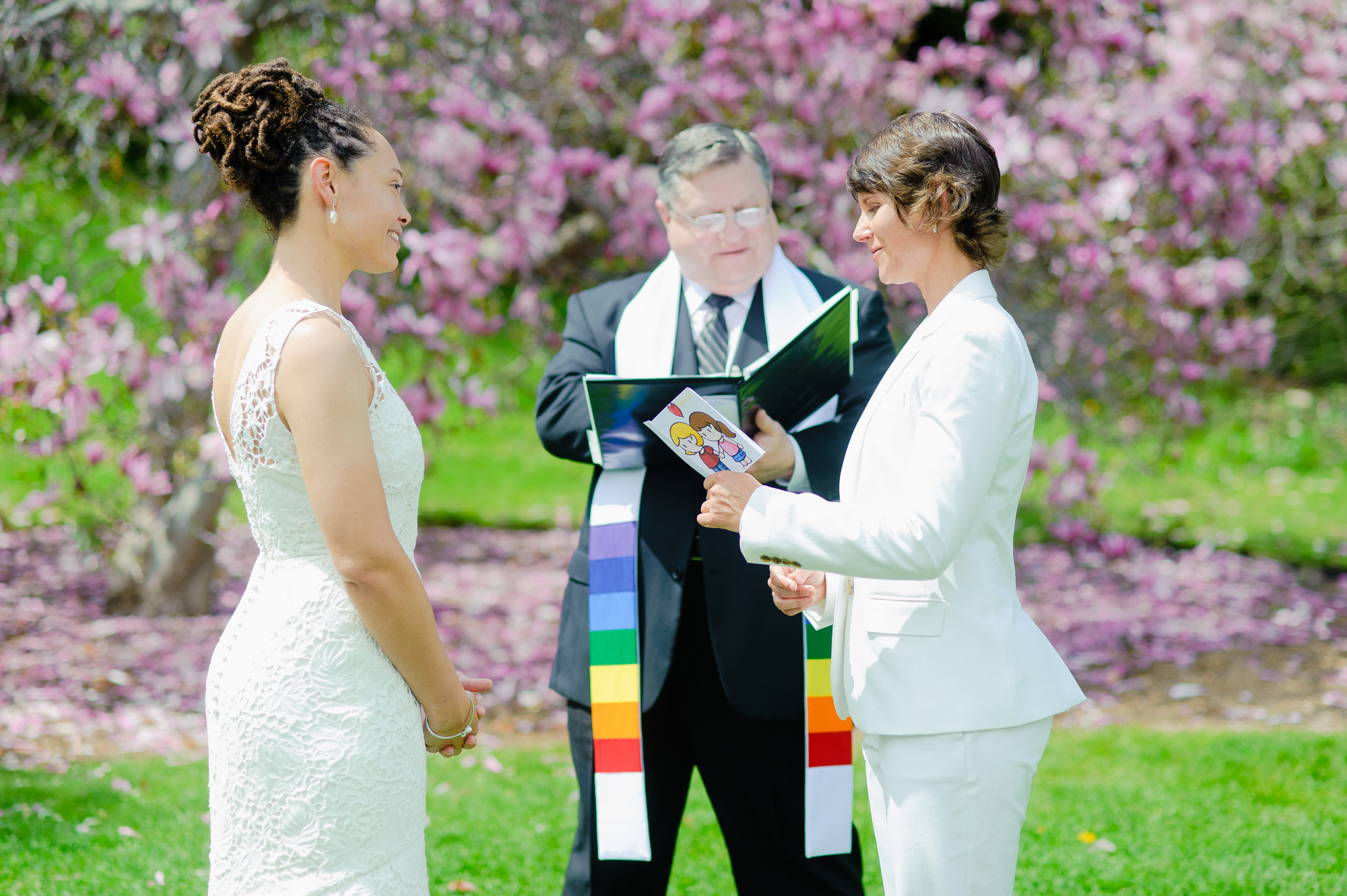
Boston has a wide range of options and the right one really comes down to what feels like you. Check out
Outdoor public spaces
This is the category most people picture first: parks, waterfronts, gardens, arboretums. The appeal is obvious. Natural light, open sky, no venue walls. The trade-off is that these are shared public spaces, so you’re working around other people and weather. A city park permit gives you some structure, but it doesn’t make the park private.
If you’re drawn to outdoor settings and want help thinking through the variety of spots across the city and its neighborhoods, the guide to Boston engagement photo locations covers a wide range of settings that translate just as well for an elopement.
City hall ceremonies
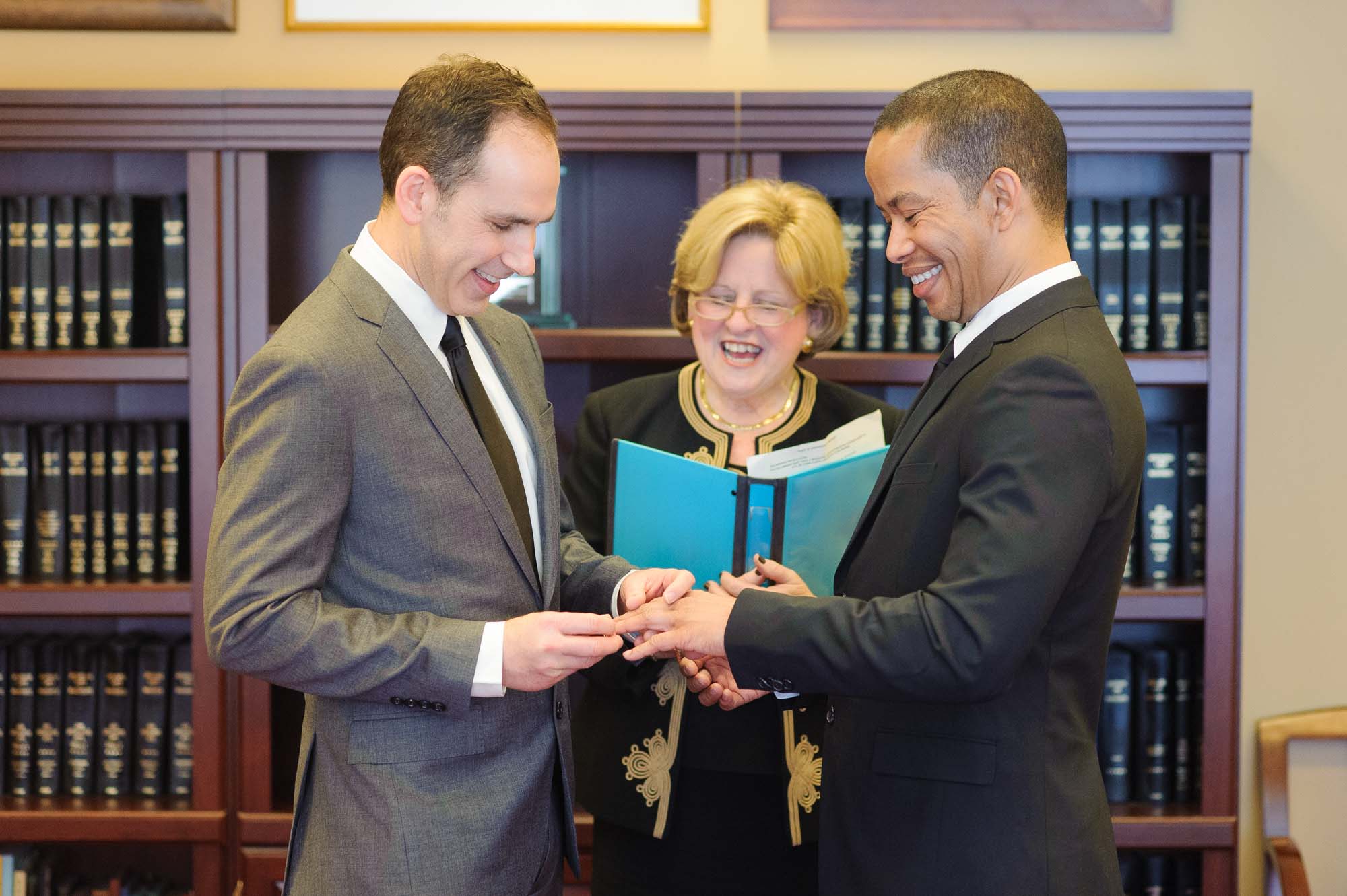
Getting legally married at City Hall is one of the most underrated options in the city, and it’s much more personal than people expect. At Boston City Hall, ceremonies are held in Room 213 on Mondays, Tuesdays, Thursdays, and Fridays between 10 and 11:30 a.m. The ceremony costs $75 (cash only) and takes about 15 minutes. You’ll exchange vows, there’s an optional ring exchange, and the marriage is registered immediately.
For a full breakdown of how it works, the Boston City Hall wedding guide walks through every detail, and the Cambridge City Hall guide covers that option if you’re based across the river.
Institutional and landmark venues
Some of Boston’s most architecturally significant buildings offer elopement-specific packages. The Boston Public Library’s Guastavino Room is the best example: a vaulted tile ceiling, stone arches, and a fee of $200 for a one-hour ceremony slot. Capacity is 12 guests (photographer and officiant don’t count toward that). Photos are permitted inside the room and outside on Copley Square. The BPL offers this on select Mondays each month, and slots fill up fast. Contact their Special Events Office at events@bpl.org or 617.859.2212 to get on the list.
This category is worth exploring if you want shelter from weather, more intimacy, and a more controlled environment overall.
Private and semi-private spaces
Beyond city parks, there are rooftop terraces, private gardens, museum courtyards, and restaurant patios that can be reserved for small ceremonies. These spaces aren’t free, but they give you something public parks can’t: exclusivity. You’re not sharing the space with other visitors. Vendors, decor, and logistics are generally more flexible here too.
Planning Your Elopement
How far in advance do you need to plan?
More than most couples expect. Start with your marriage license appointment: those book up, especially in the spring and summer, and the 3-day waiting period between filing and when you can legally use the license means you need to account for that in your timeline.
Venue or permit timing varies. A Boston Parks permit needs at least 10 business days. A DCR permit needs 30 days. The BPL ceremony slots open on a rolling basis and fill quickly. Some institutional venues book months out. If you have a specific date or location in mind, work backward from there.
Who can officiate an elopement in Massachusetts?
Any of the following can legally officiate in Massachusetts: a justice of the peace, a licensed minister, a rabbi, a priest, or a friend with a One-Day Marriage Designation. The One-Day designation is available through the Secretary of the Commonwealth’s office and is a straightforward process. Your officiant does not need to be local.
Do you need witnesses?
No. Massachusetts law does not require witnesses to solemnize a marriage. Your officiant, your photographer, and the two of you are all that’s legally required.
What about guests?
Elopements can be truly just the two of you, or they can include a small group. There’s no single rule. What matters is what the location allows. A city park permit allows up to 50. The BPL package caps at 12 guests. City Hall accommodates a small group but the ceremony is short and the space is limited. If you want more flexibility with guests, a private or semi-private venue will give you more control.
What’s the best time of year to elope in Boston?
Every season has something going for it. Late April through June is the most popular: flowers are out, temperatures are mild, and the city feels alive. Fall, especially mid-September through October, offers rich foliage, comfortable weather, and smaller crowds than peak summer. Summer itself is busy but the long golden-hour light is hard to beat. Winter elopements are genuinely underrated: bare trees, quiet parks, and moody dramatic light. Snow, when it cooperates, is spectacular.
The one practical note: if you’re set on an outdoor ceremony, check permit availability for your preferred season early. Spring and fall book up first.
What happens if it rains?
This is the question couples don’t ask until it matters. For outdoor locations without a permit for any kind of cover, rain means plan B. Before you finalize a location, know what your backup is. Some couples plan a quick City Hall ceremony on a weekday as their rain contingency. Others choose an indoor venue for the ceremony and save outdoor portraits for after, if the weather clears. If outdoor photos matter to you as much as the ceremony itself, build flexibility into the day.
What vendors do you need for an elopement?
At minimum, an officiant and a photographer. Everything else is optional. Some couples bring a florist for a simple bouquet, a friend with a portable Bluetooth speaker, a single family member who also happens to be a great baker. Others keep it to just the two of them and a camera. There’s no required vendor list for an elopement. The point is that you get to decide.
For a broader look at all the planning resources available, the Boston wedding planning guide is a good central hub to bookmark as you work through the details.
Ready to Plan Your Boston Elopement
I work with couples who want to do this in a way that feels true to them, whether that’s a five-minute ceremony in a park or a full morning of portraits across the city. If you’re thinking about eloping in Boston and want a photographer who knows the logistics, get in touch here and we can start putting something together.
Real Couples, Real Elopements in Boston
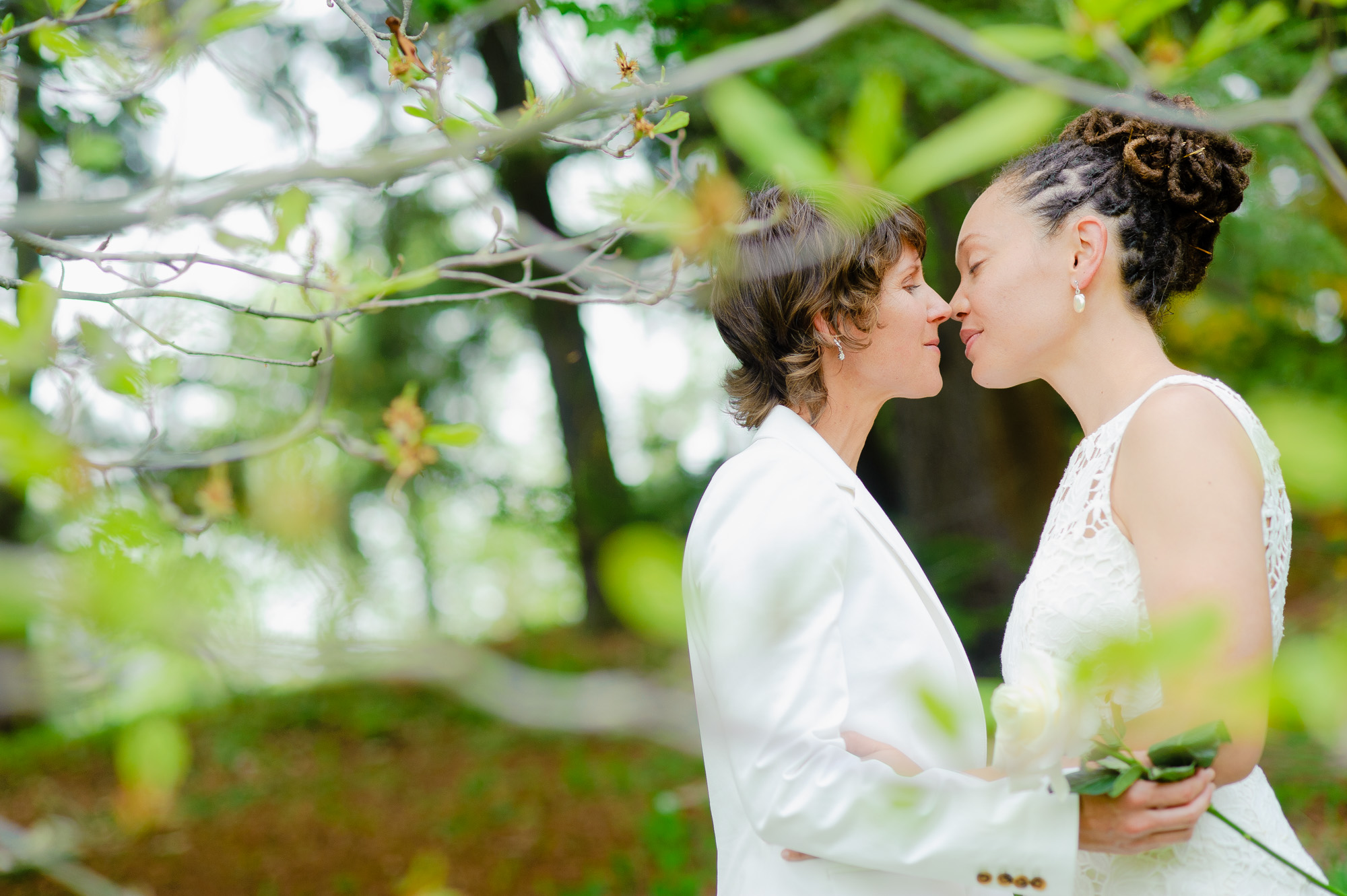
Arnold Arboretum Intimate Wedding & Elopement Planning Guide
An Arnold Arboretum wedding or elopement is free, intimate, and beautiful in every season. Here’s your complete planning guide: ceremony rules, guest limits, the best photo spots by season and time of day, and what to plan for if it rains.
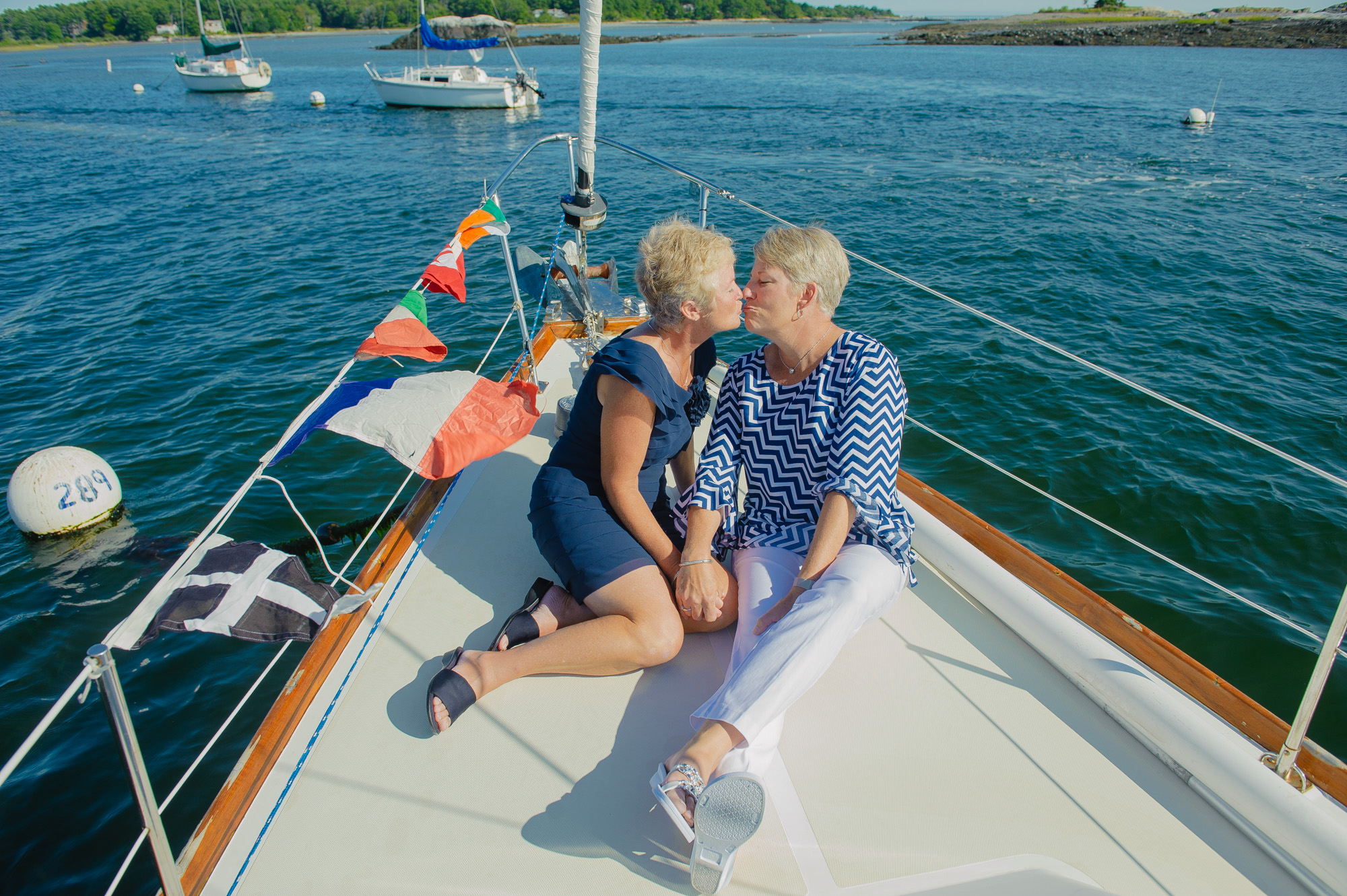
Intimate LGBTQ Boat Wedding in Portsmouth, NH
An open harbor, a small circle of loved ones, and two brides ready to begin the next chapter. Cindy and Kathy’s intimate LGBTQ boat wedding in Portsmouth, NH is proof that the most meaningful weddings are never about scale, they are about love.
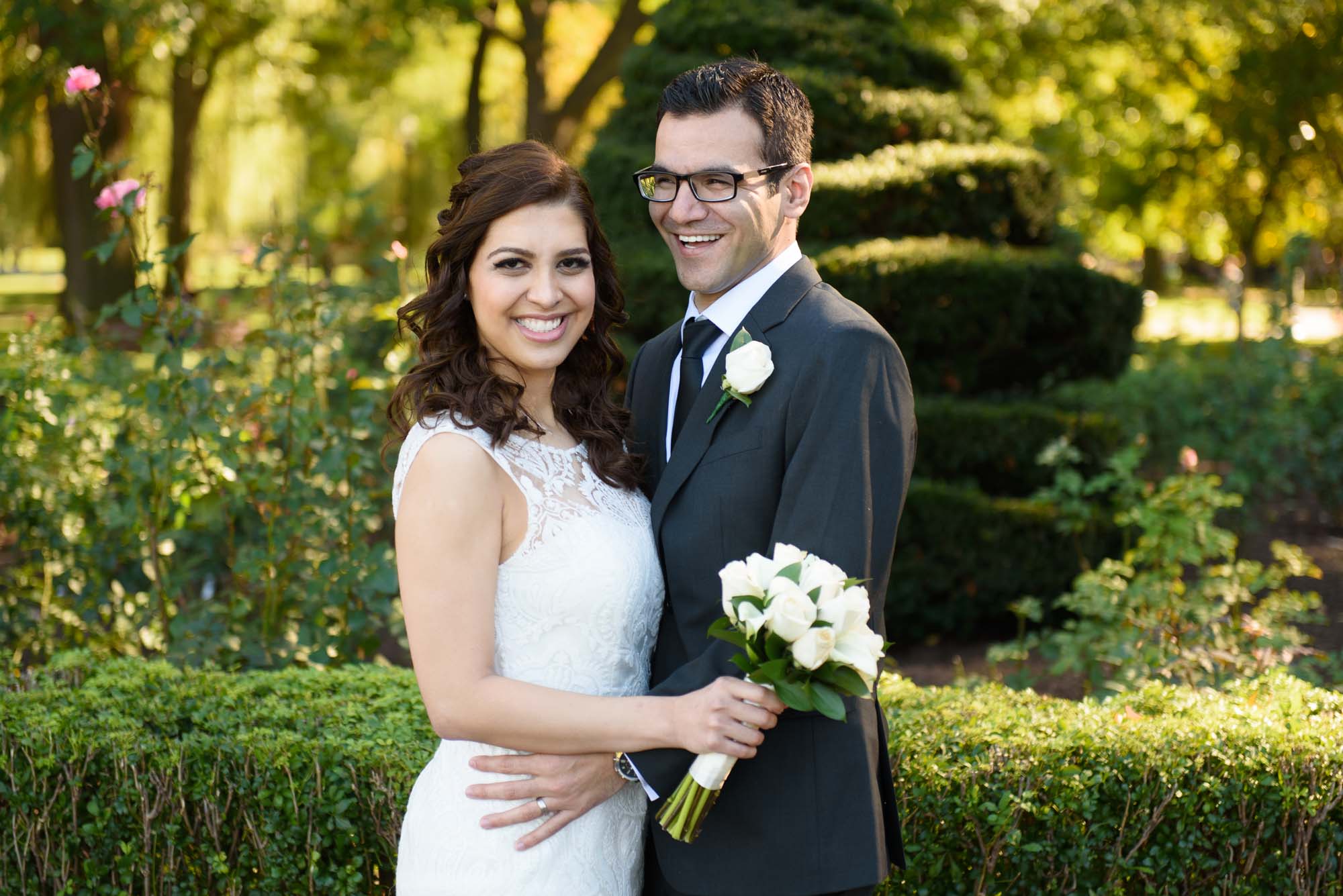
Boston Common & Public Garden Wedding and Elopement
Boston Common and the Public Garden are two of the most beautiful places in the city to say your vows. Here’s everything you need to plan a ceremony there, from getting your permit to picking the perfect spot.
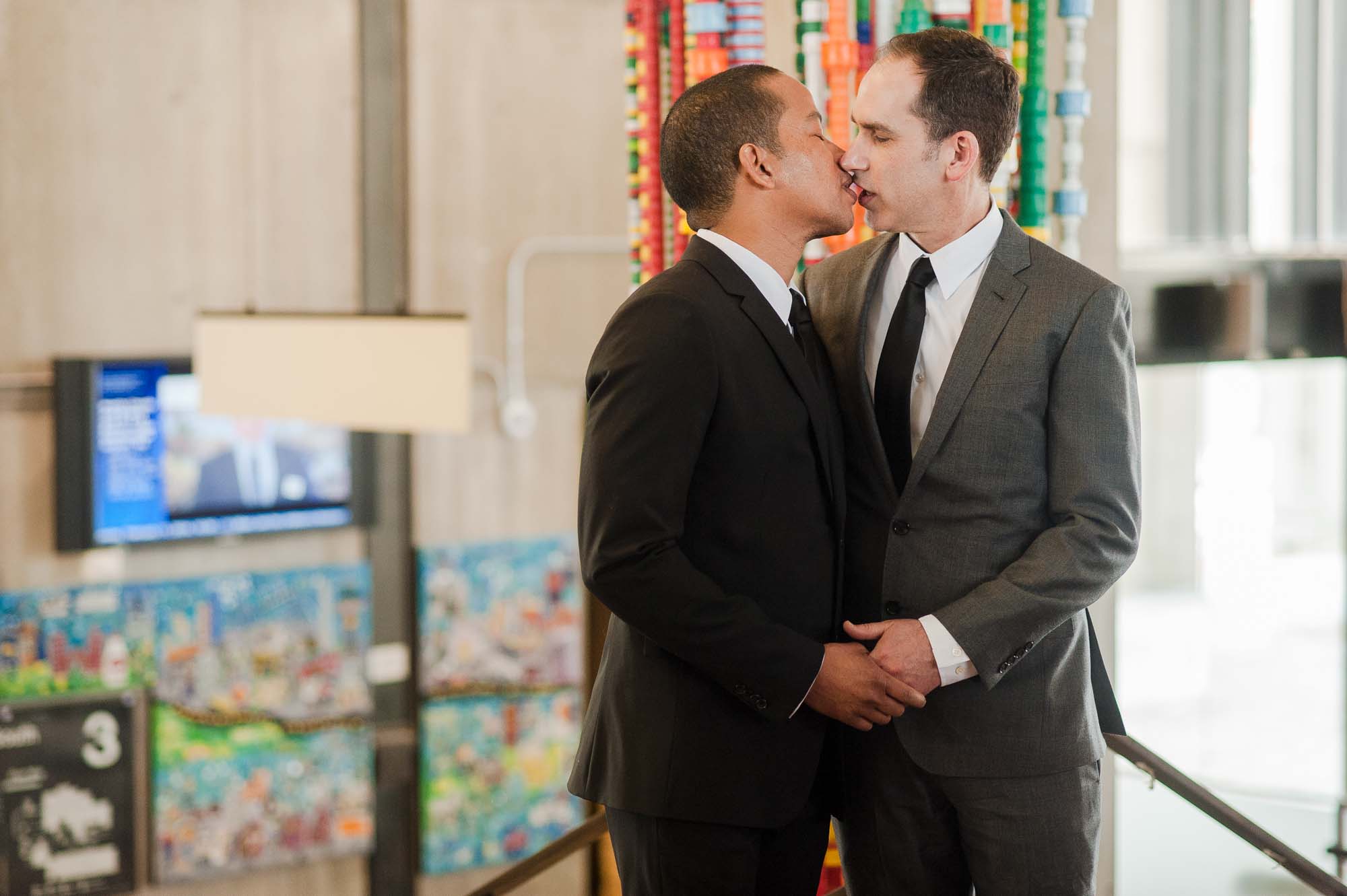
Cambridge City Hall Wedding: Complete Planning Guide
Skip the stress of a big venue and embrace the historic charm of a Cambridge City Hall wedding. This comprehensive guide covers every detail, from filing your marriage intentions at the Clerk’s office to finding the best photo spots in Central Square.
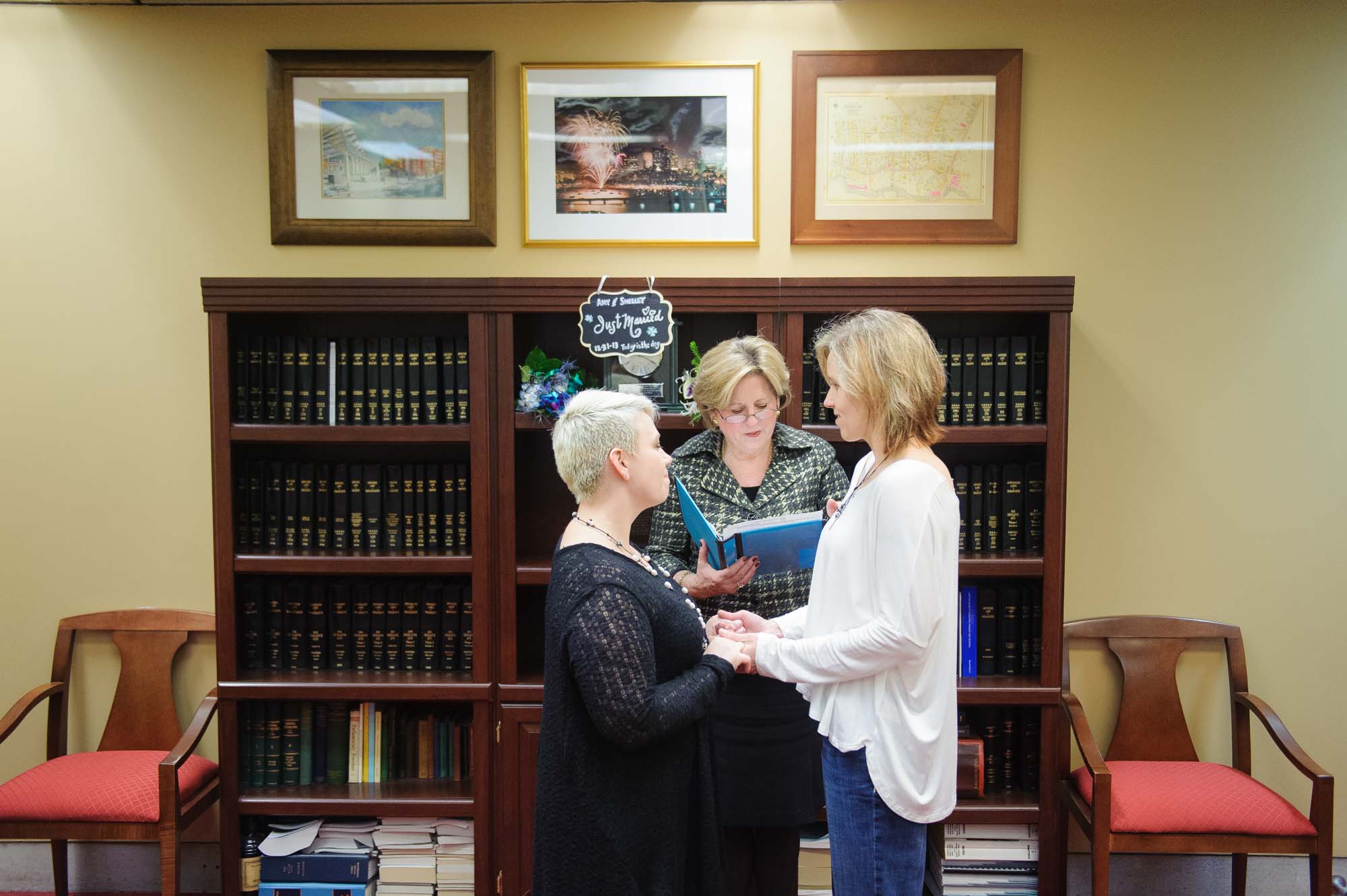
Boston City Hall Wedding: Complete Planning Guide
Planning a Boston City Hall wedding? This guide covers everything you need to know – from how to get your marriage license to what to expect on the big day, plus the best photo spots nearby. Perfect for couples planning an intimate, meaningful celebration in the heart of the city.